Clinical Simulation
Adult Tachydysrhythmia


About This Course
What you'll experience
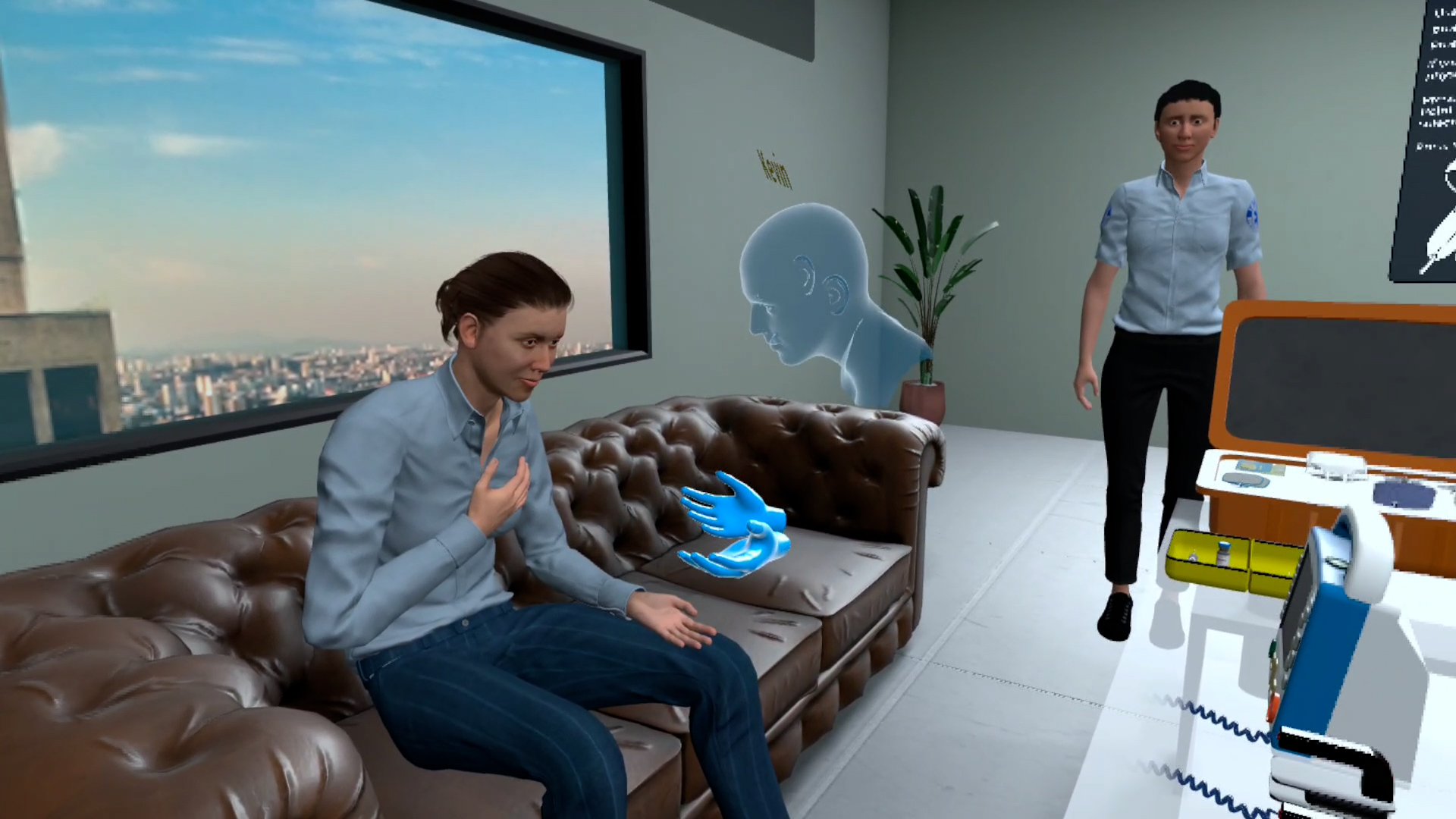
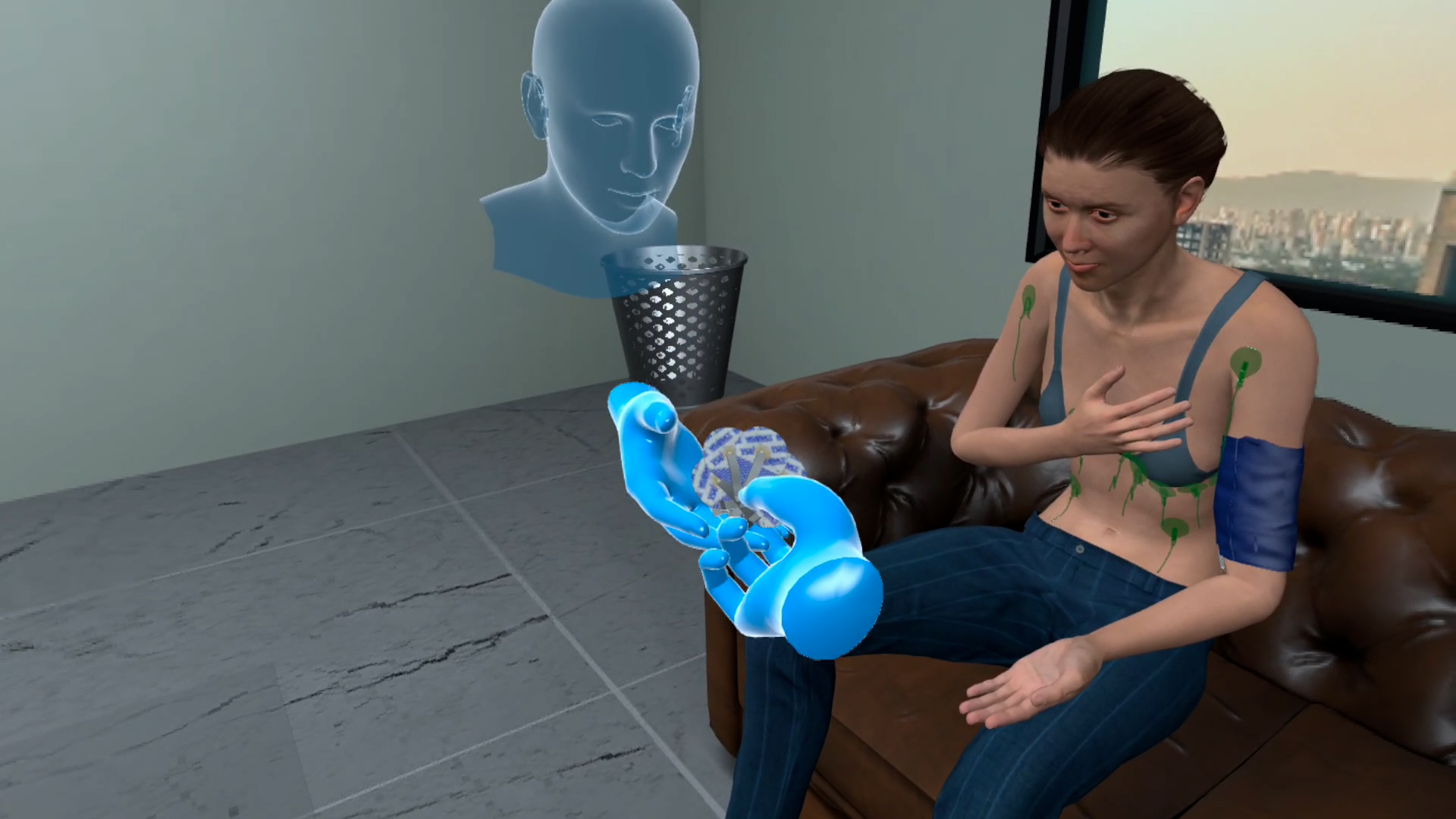
Clara, a 38-year-old female, was going about her normal workday when she experienced a sudden onset of palpitations. She described it as ‘as if her heart was pounding out of her chest.’ This was unprecedented, as her typical anxiety presented with dyspnea and tremors but no palpitations. Arriving 15 minutes after her call, EMS finds her in stable VT with a pulse. This open scenario is designed to provide learners practice in identifying and managing a case of ventricular tachycardia with a pulse.
Learning Objectives
- Identifying and managing ventricular tachycardia with a pulse using evidence-based protocols
- Assessing hemodynamic stability to guide appropriate intervention
- Confirming presence of a pulse when VT is observed on the monitor
- Initiating treatment for VT w/ pulse, including amiodarone bolus administration and timing
- Applying indications for synchronized cardioversion based on clinical presentation
References
- Kusumoto, F. M. (2020). Cardiac electrophysiology: From cell to bedside (7th ed.). Elsevier.
What you'll practice
Core Skills Training
Core Skill
Managing Adult Tachydysrhythmia
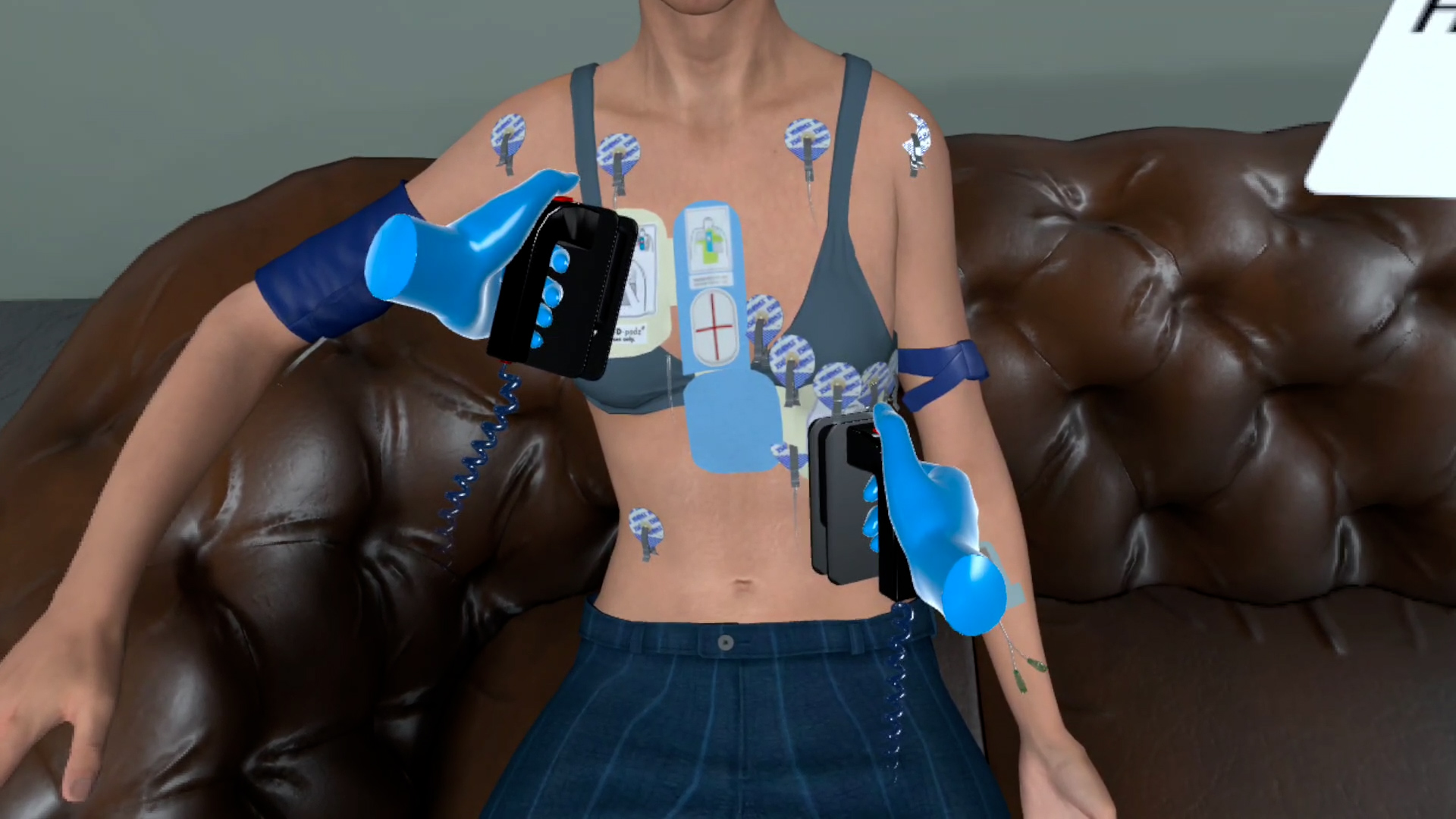
As part of the Adult Tachydysrhythmia simulation, the user is presented with a patient suffering acute onset of palpitations. As the EMS on location, the learner will apply a cardiac monitor and obtain a 12 lead and attempt rhythm interpretation. Having administered medication, the learner will apply pads, assess pulse at regular intervals and perform a synchronized cardioversion. Having assessed ABCs patient’s full vitals will be obtained.
This scenario is set in a photorealistic environment, and all necessary affordances are made available to assist learners in performing their tasks with efficiency and effectiveness.
Tailored to You
Customize Your Program
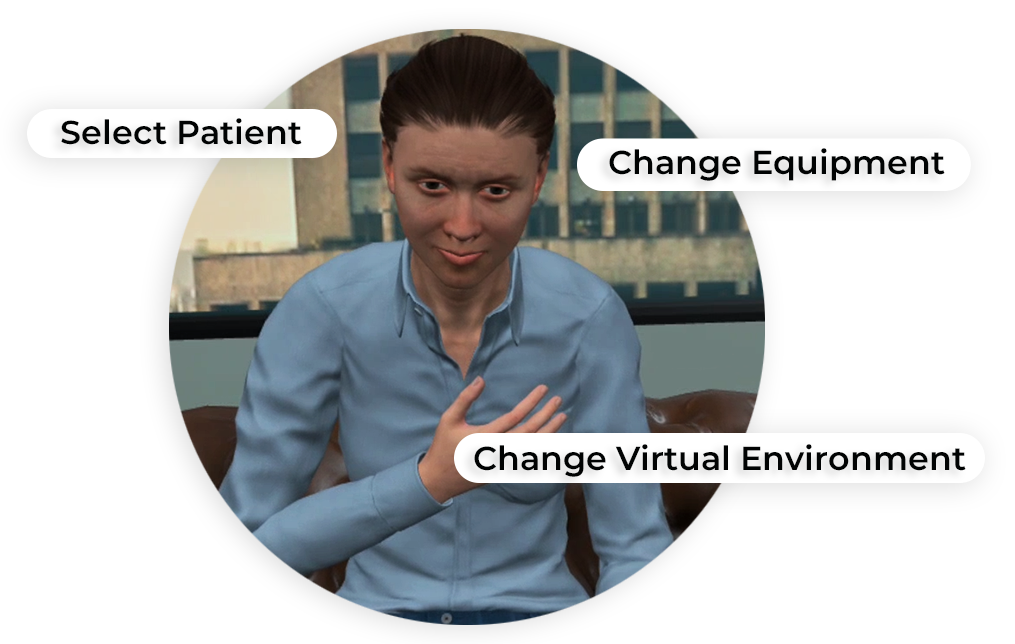
MedVR Education is bringing to you in-VR customization that will enable you to customize your procedural simulations by making selections from a range of feature choices.
- Select patient from a diverse background
- Choose preferred virtual environment
- Configure patient vitals
- Define simulation duration
- Create patient history and train with AI-Humans
- Customize session-end debriefing
- …..many more to come
Additional customization options are available and can be developed to meet your specific training needs.
 Multi-player Sessions
 Physics-based Interactions
How it works
Training
End-of-task debriefing to assess one’s performance, evaluate actions, and get the most out of the training. Examples of topics being touched upon in the debriefing include the following:
- Thorough patient assessment
- Completion of necessary steps
- Correct medication administration to patient
- Sequential completion of task
- Execution of time-sensitive tasks
Get started
Ready to transform clinical training?
Book a demo to see Adult Tachydysrhythmia and our full simulation library in action.