Clinical Simulation
Atrial Fibrillation with RVR


About This Course
What you'll experience
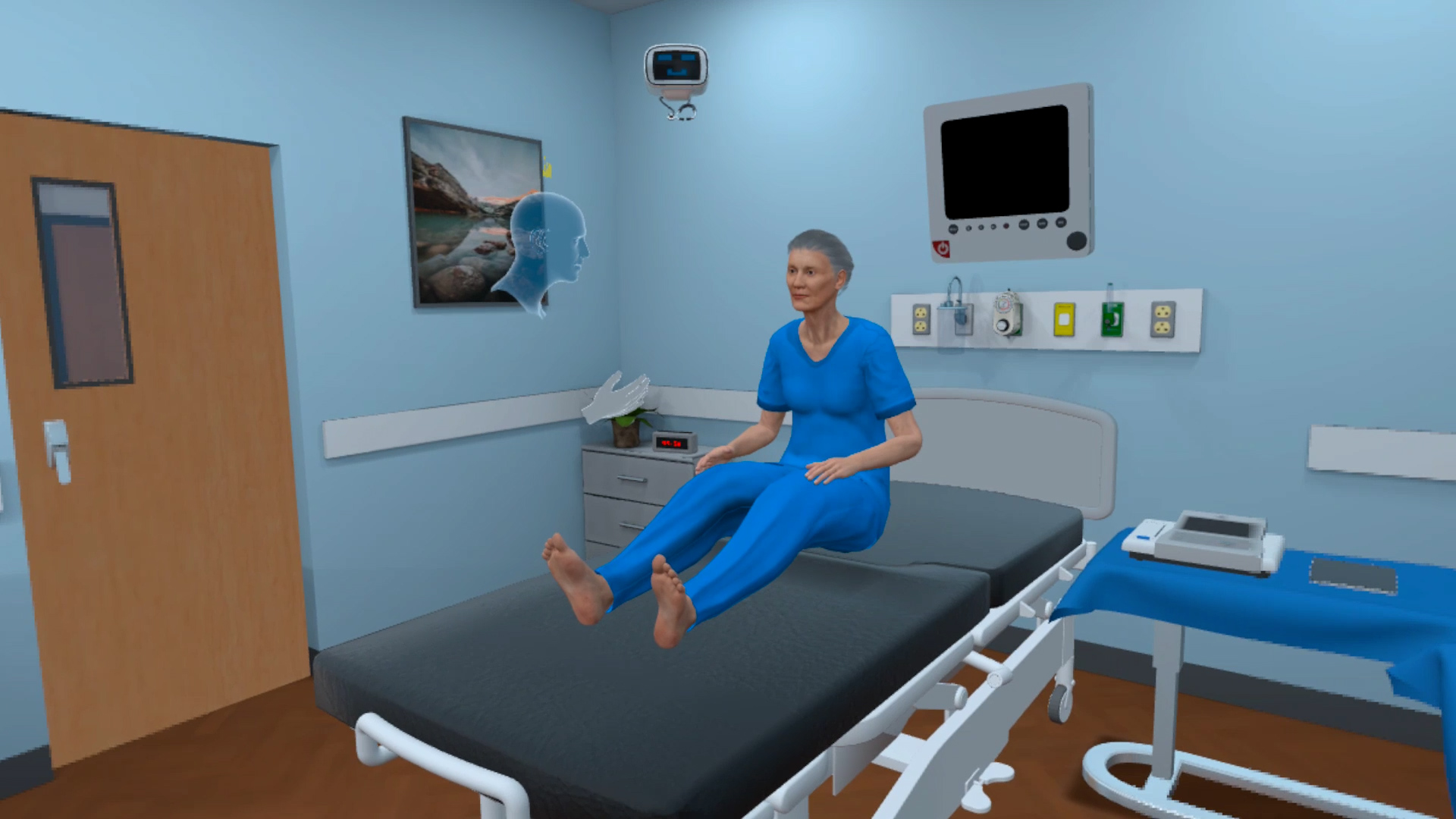
Sixty-five-year-old Susan Gardner with hypothyroidism, is presented to ED for chest pain and shortness of breath. Symptoms occurred while she was carrying mulch in the garden. She was discharged from the ED when symptoms improved but 10 minutes later she complained of increased chest pressure. In this multiplayer VR session, learners will find the patient symptomatic with chest pressure in a narrow-complex, irregularly irregular tachycardia.
Learning Objectives
- Identifying atrial fibrillation in a patient with an irregular, narrow-complex tachycardia
- Describing a differential diagnosis for narrow complex tachycardia
- Recognizing that the increased myocardial demand from uncontrolled tachycardia can cause symptoms similar to true myocardial infarction (chest pain)
- Evaluating and addressing exacerbating factors in AF with RVR, including hypervolemia, thyroid dysfunction, alcohol withdrawal, infection, hypovolemia, and medications
- Initiating treatment of atrial fibrillation with RVR with nodal blockade – IV formulation of diltiazem, verapamil, or metoprolol
References
- American Heart Association. (2023). Atrial fibrillation (AFib): Symptoms, treatments, and management
What you'll practice
Core Skills Training
Core Skill
Managing Atrial Fibrillation with RVR
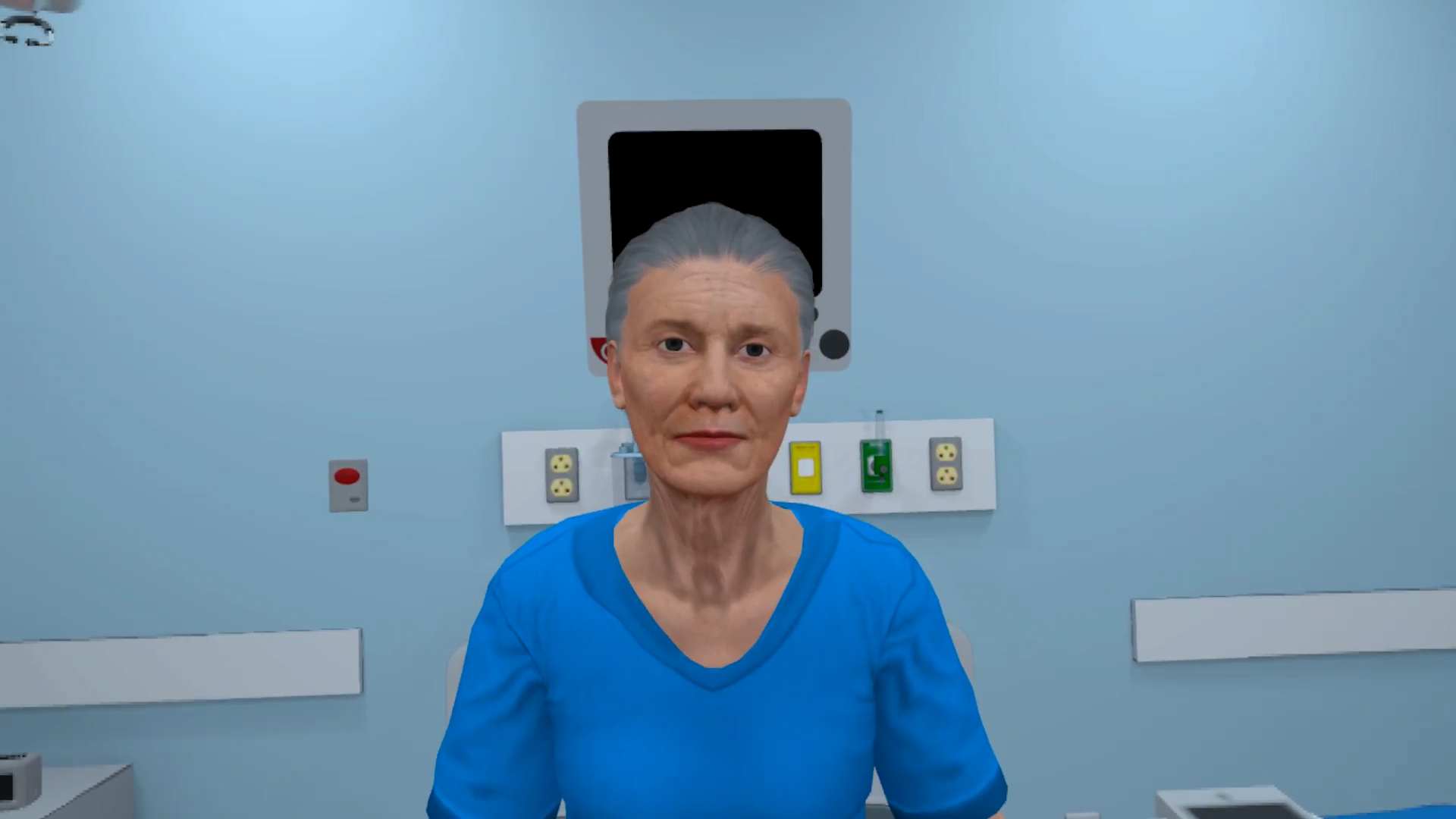
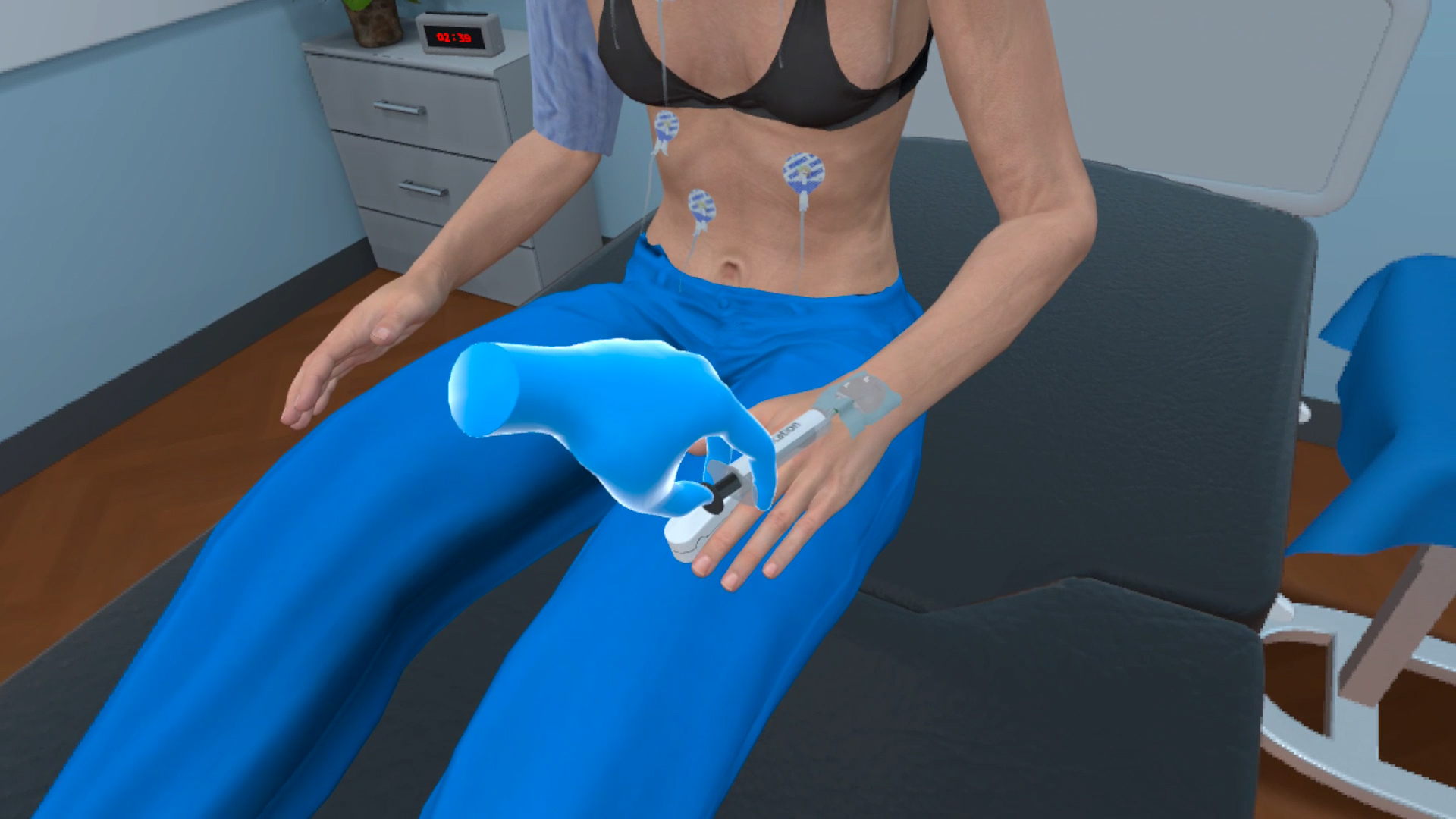
As part of this open scenario, the learner begins by obtaining the patient’s EKG and a chest x-ray to determine the cause of increased chest pressure. The test reports indicate an atrial fibrillation with rapid ventricular response requiring medication administration. Appropriate dosage of the medication must be administered to stabilize the patient’s condition.
This scenario is set in a photorealistic environment and all necessary affordances are made available to assist learners in performing their tasks with efficiency and effectiveness.
Tailored to You
Customize Your Program
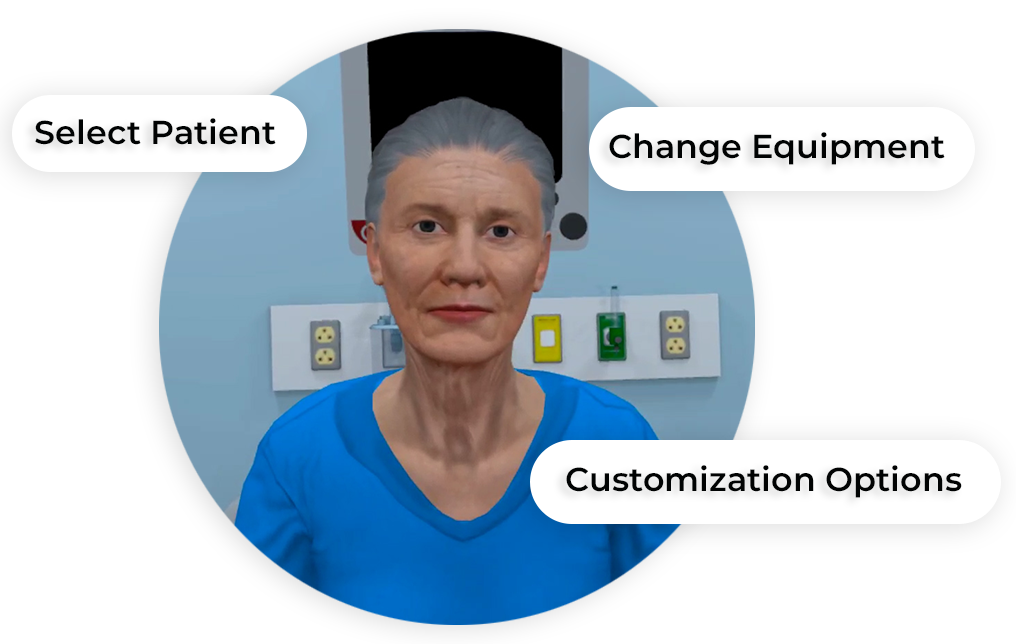
MedVR Education is bringing to you in-VR customization that will enable you to customize your procedural simulations by making selections from a range of feature choices.
- Select patient from a diverse background
- Choose preferred virtual environment
- Configure patient vitals
- Define simulation duration
- Create patient history and train with AI-Humans
- Customize session-end debriefing
- …..many more to come
Additional customization options are available and can be developed to meet your specific training needs.
 Multi-player Sessions
 Physics-based Interactions
How it works
Training
End-of-task debriefing to assess one’s performance, evaluate actions, and get the most out of the training. Examples of topics being touched upon in the debriefing include the following:
- Thorough patient assessment
- Completion of necessary steps
- Correct medication administration to patient
- Sequential completion of task
- Execution of time-sensitive tasks
Get started
Ready to transform clinical training?
Book a demo to see Atrial Fibrillation with RVR and our full simulation library in action.