Clinical Simulation
Cauda Equina Syndrome


About This Course
What you'll experience
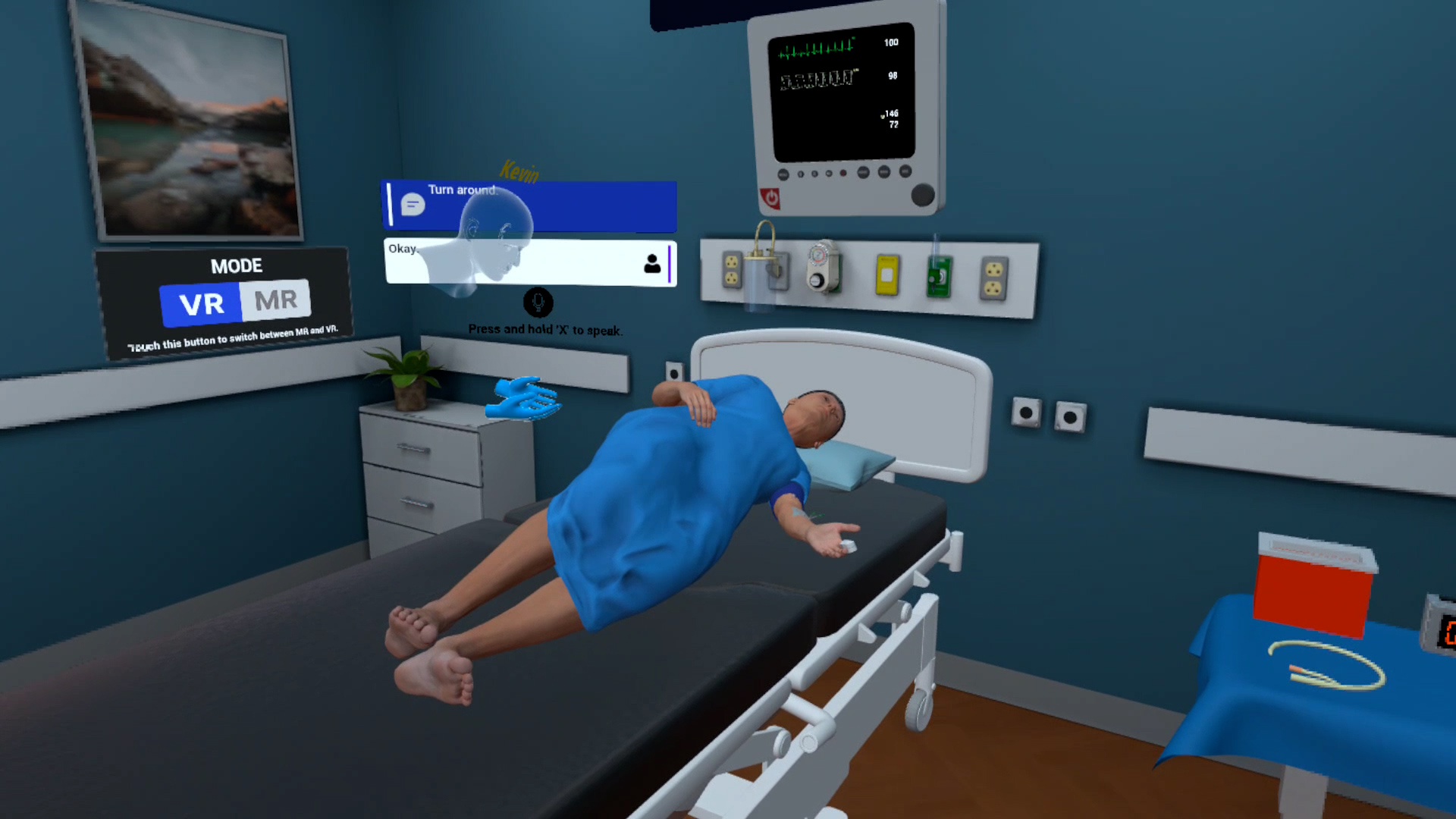
Jane Smith, 65-year-old female, with metastatic breast cancer is presented with acute lower back pain and weakness in her lower extremities. The pain has been intermittent for the past five months, getting worse at night. Examinations indicate spinal metastases causing cauda equina syndrome. Jane has recently completed a chemotherapy regimen. This VR simulation is designed to train healthcare providers in identifying and diagnosing a case of cauda equina syndrome and taking immediate steps to manage the patient’s condition.
Learning Objectives
- Ascertaining and diagnosing cauda equina syndrome due to spinal metastases in a cancer patient.
- Identifying red flag back pain symptoms concerning for spinal cord emergencies
- Implementing appropriate immediate management including emergent MRI and neurosurgery consultation
References
- Fraser, S., Roberts, L., & Murphy, E. (2009). Cauda equina syndrome: A literature review of its definition and clinical presentation.
What you'll practice
Core Skills Training
Core Skill
Managing Cauda Equina Syndrome
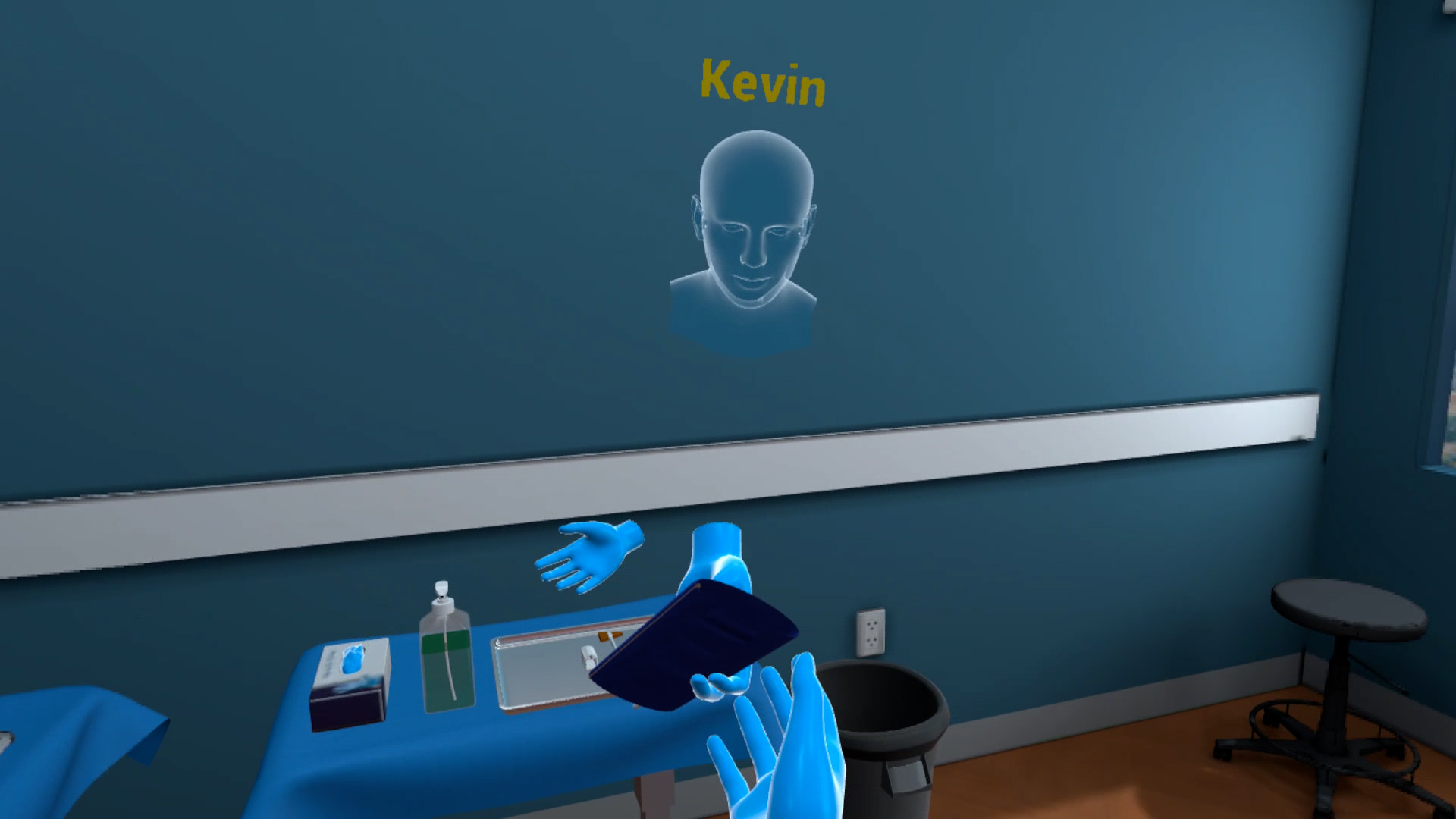
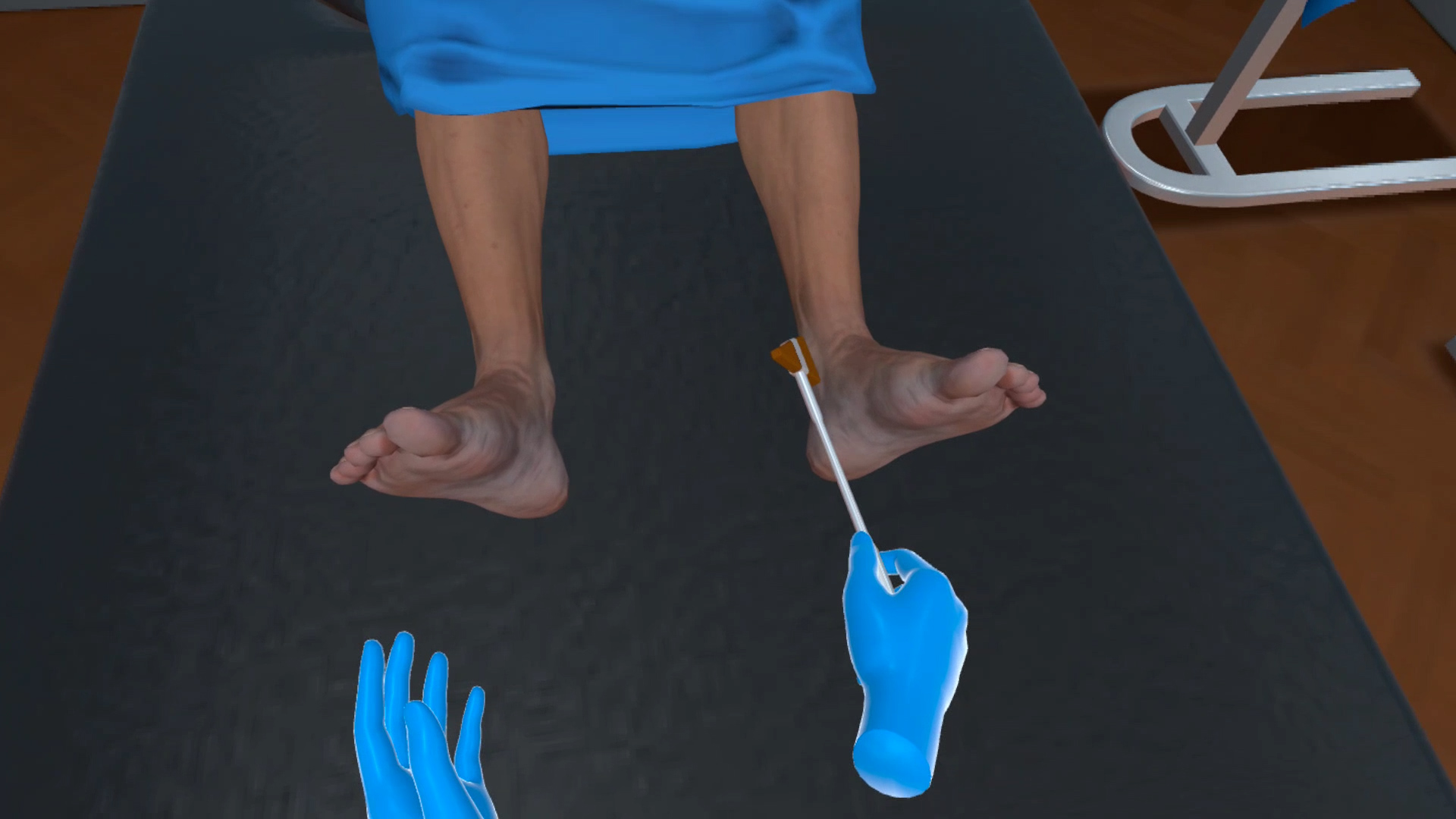
As a part of this Cauda Equina Syndrome management open scenario, learners will begin by performing a focused history and physical exam followed by establishing IV access and ordering necessary labs. They will manage symptoms with pain control, assess bladder function, and order an emergent MRI. Foley catheter will be placed for urinary retention and neurosurgery consultation required, with recommendations based on MRI results.
All necessary affordances are provided to complete the procedure with efficiency.
Tailored to You
Customize Your Program
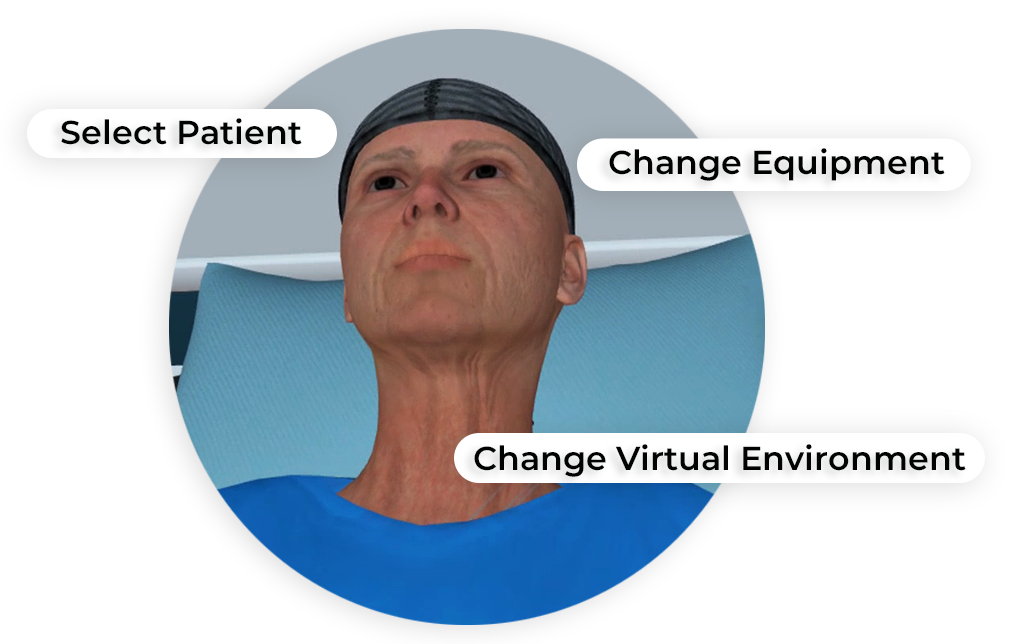
MedVR Education is bringing to you in-VR customization that will enable you to customize your procedural simulations by making selections from a range of feature choices.
- Select patient from a diverse background
- Choose preferred virtual environment
- Configure patient vitals
- Define simulation duration
- Create patient history and train with AI-Humans
- Customize session-end debriefing
- …..many more to come
Additional customization options are available and can be developed to meet your specific training needs.
 Multi-player Sessions
 Physics-based Interactions
How it works
Training
End-of-task debriefing to assess one’s performance, evaluate actions, and get the most out of the training. Examples of topics being touched upon in the debriefing include the following:
- Thorough patient assessment
- Completion of necessary steps
- Correct medication administration to patient
- Sequential completion of task
- Execution of time-sensitive tasks
Get started
Ready to transform clinical training?
Book a demo to see Cauda Equina Syndrome and our full simulation library in action.