Clinical Simulation
EMS - Pediatric Seizure


About This Course
What you'll experience
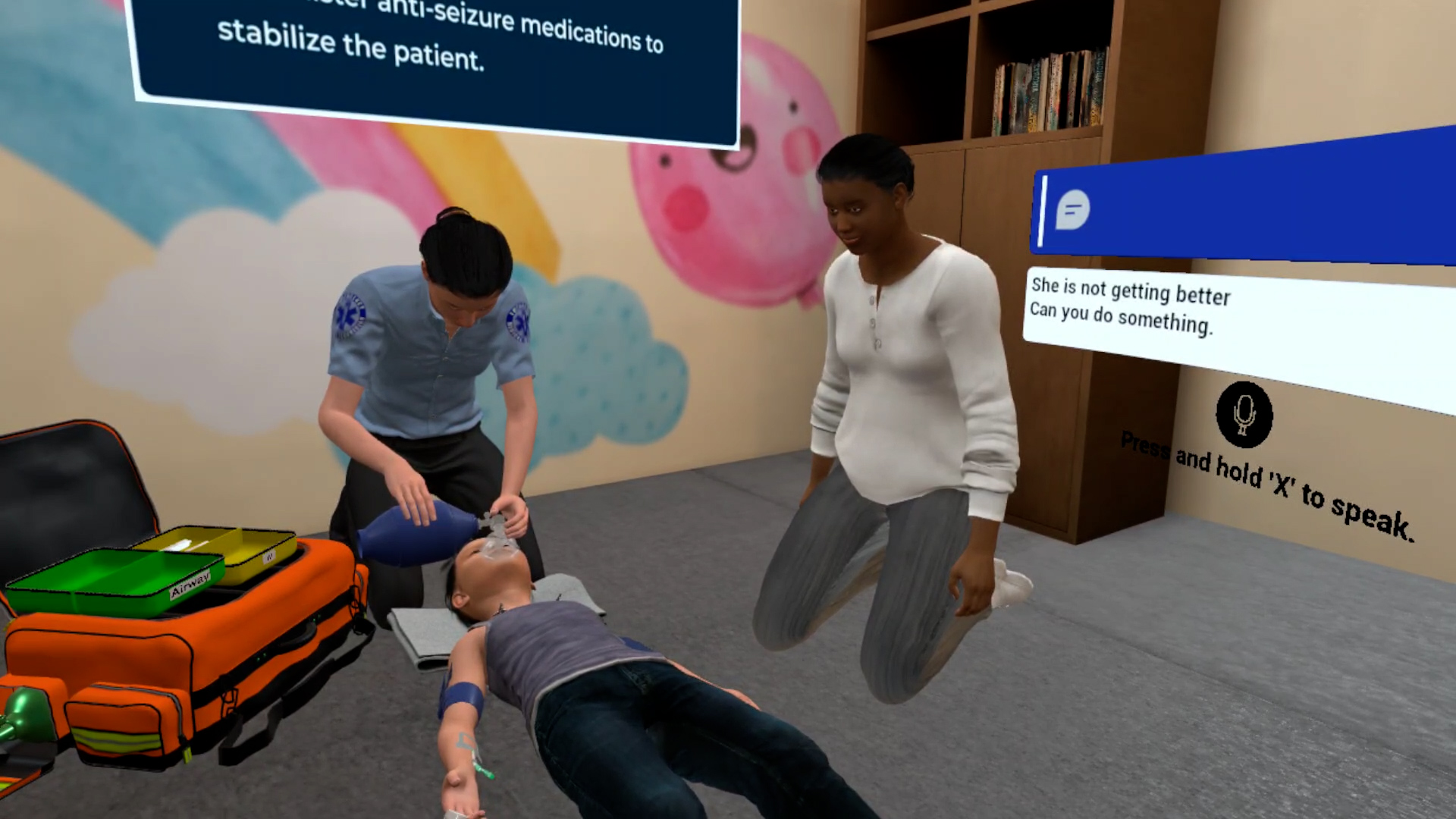
In this immersive VR simulation, participants will engage in a critical scenario involving a seven-year-old girl, Lily Thompson, who has a documented history of epilepsy. While at school, Lily experienced a witnessed seizure. Although her teacher administered the prescribed medication, the seizure persisted, prompting the teacher to call for emergency medical services (EMS). It is noted that Lily had a seizure one month prior, but its duration was significantly shorter. Importantly, Lily has no additional medical conditions or allergies.
Learning Objectives
- Recognizing and responding to seizure emergencies
- Establishing and managing critical airway and IV access
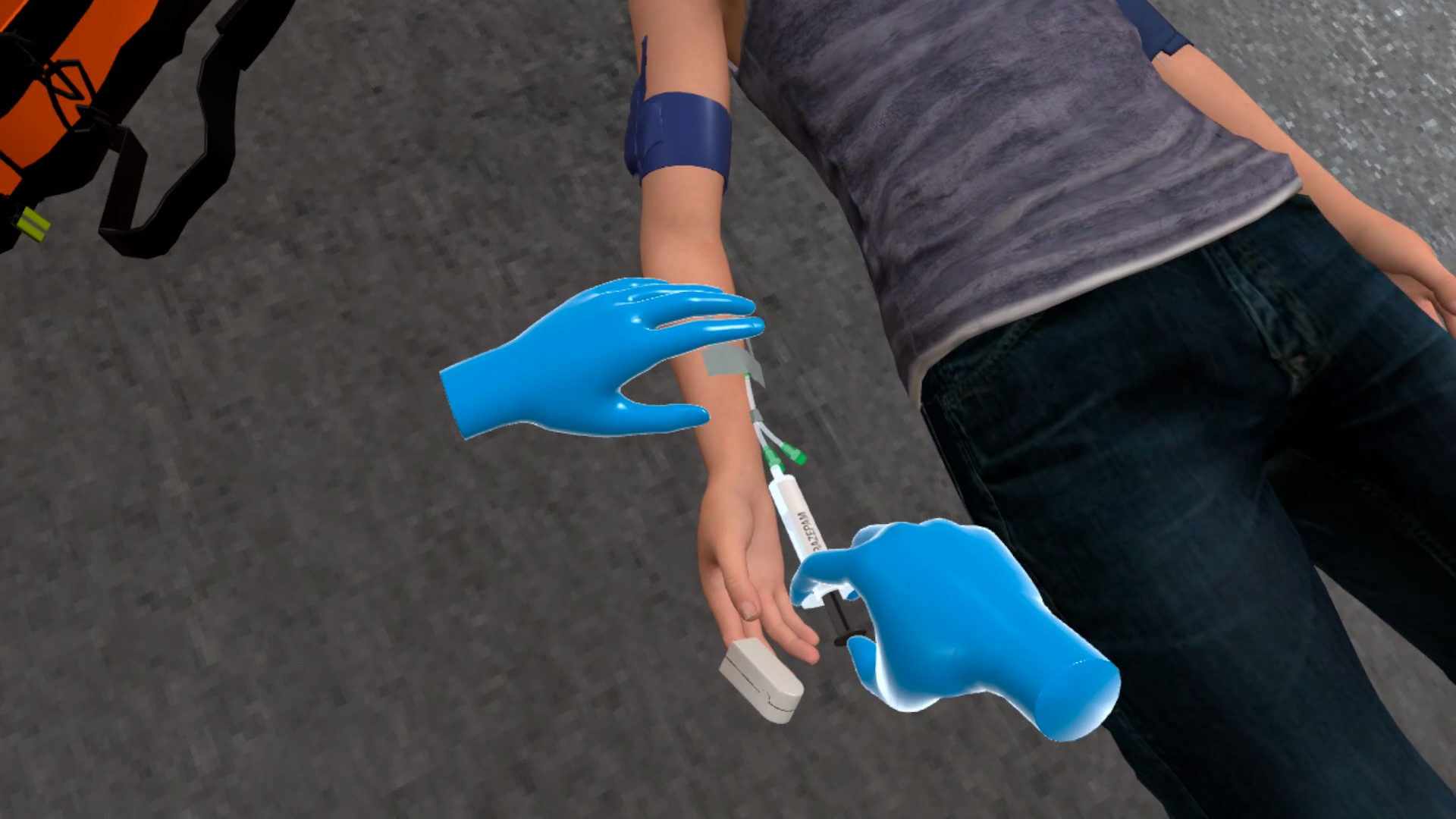
- Administering emergency medication during active seizure
References
- National Association of Emergency Medical Technicians (NAEMT). (2023).
What you'll practice
Core Skills Training
Core Skill
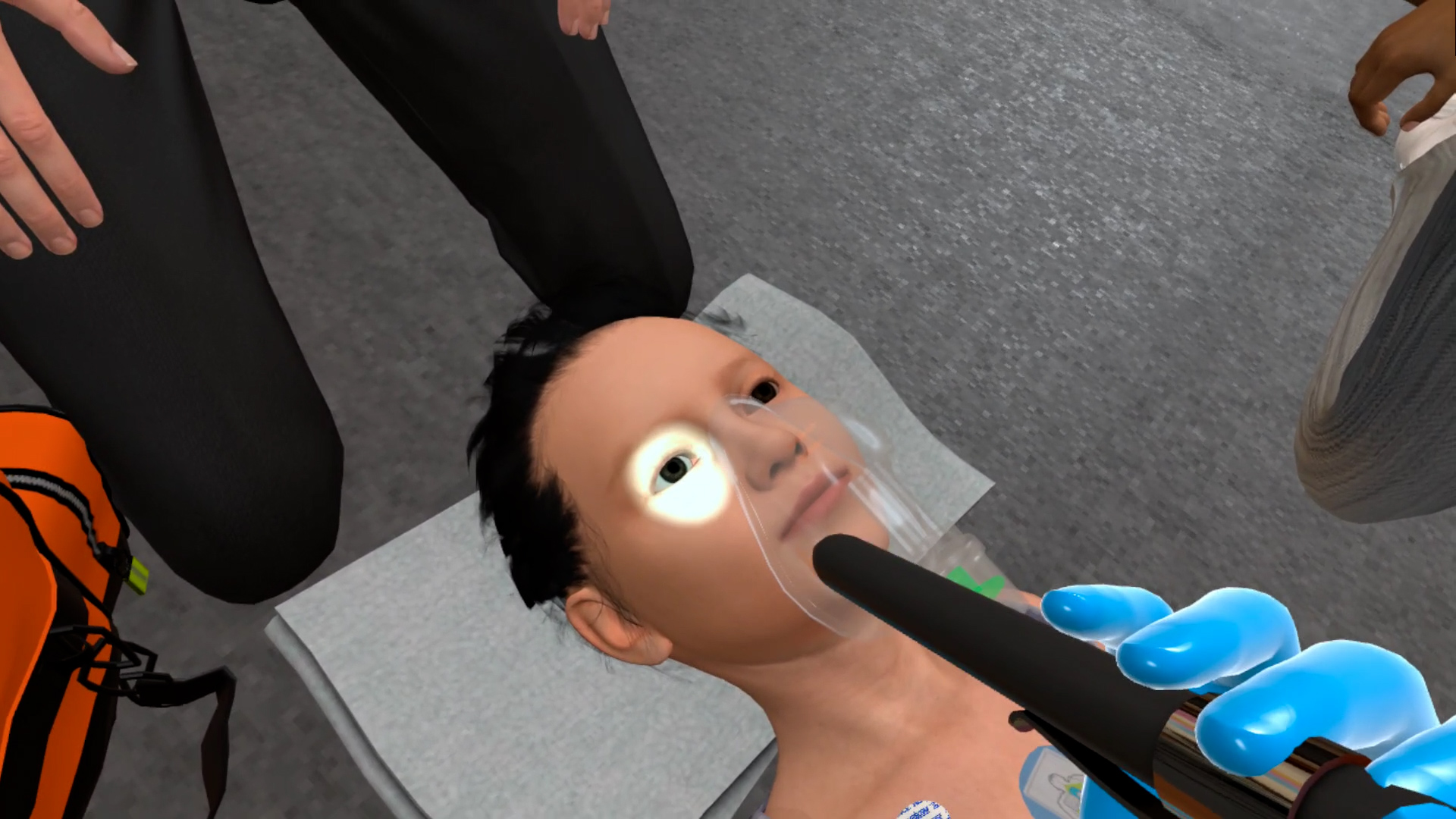
Managing Pediatric Seizure
As part of this multiplayer open scenario, the learner will provide BVM medication, place the patient on cardiac monitor, and establish an IV. The patient will be administered anti-seizure medication. If the patient's condition does not improve, a second dose of medicine will be administered to stabilize them.
This scenario is set in a photorealistic environment and all necessary affordances are made available to assist learners in performing their tasks with efficiency and effectiveness.
Tailored to You
Customize Your Program
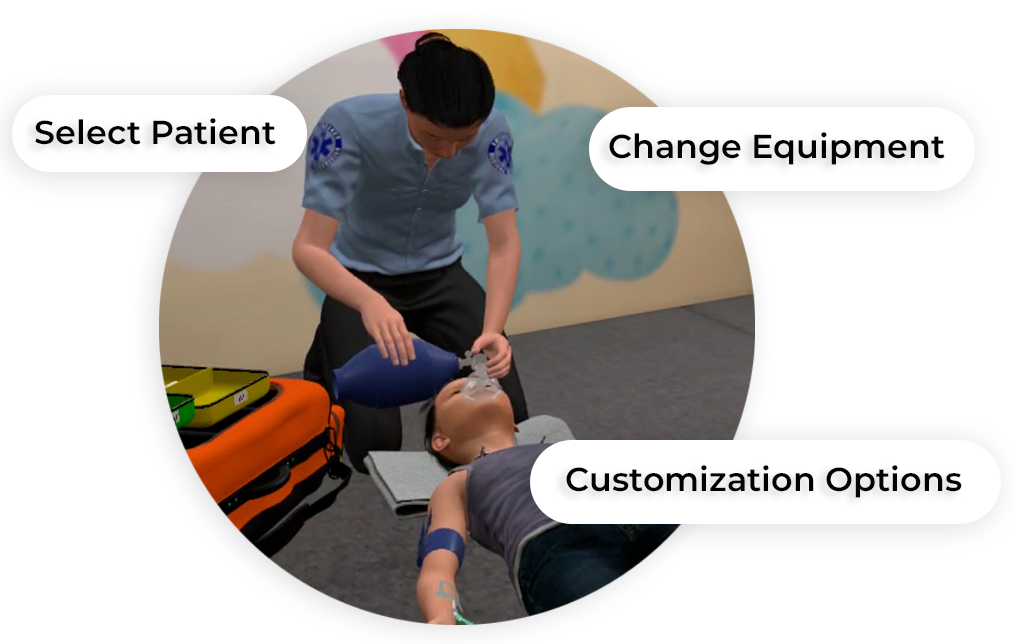
MedVR Education is bringing to you in-VR customization that will enable you to customize your procedural simulations by making selections from a range of feature choices.
- Select patient from a diverse background
- Choose preferred virtual environment
- Configure patient vitals
- Define simulation duration
- Create patient history and train with AI-Humans
- Customize session-end debriefing
- …..many more to come
Additional customization options are available and can be developed to meet your specific training needs.
 Multi-player Sessions
 Physics-based Interactions
How it works
Training
End-of-task debriefing to assess one’s performance, evaluate actions, and get the most out of the training. Examples of topics being touched upon in the debriefing include the following:
- Thorough patient assessment
- Completion of necessary steps
- Correct medication administration to patient
- Sequential completion of task
- Execution of time-sensitive tasks
Get started
Ready to transform clinical training?
Book a demo to see EMS - Pediatric Seizure and our full simulation library in action.