Clinical Simulation
EMS Stroke


About This Course
What you'll experience
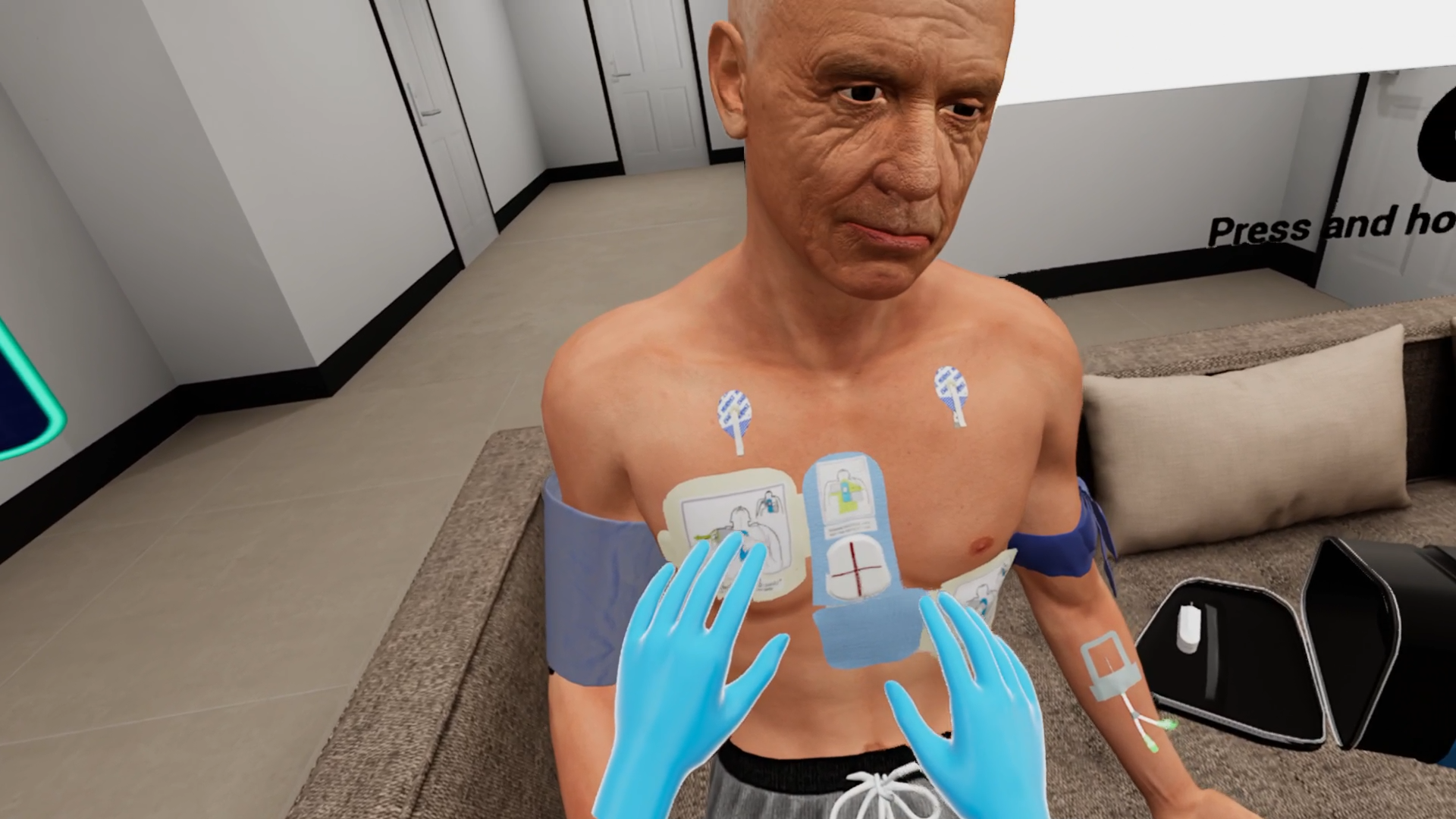
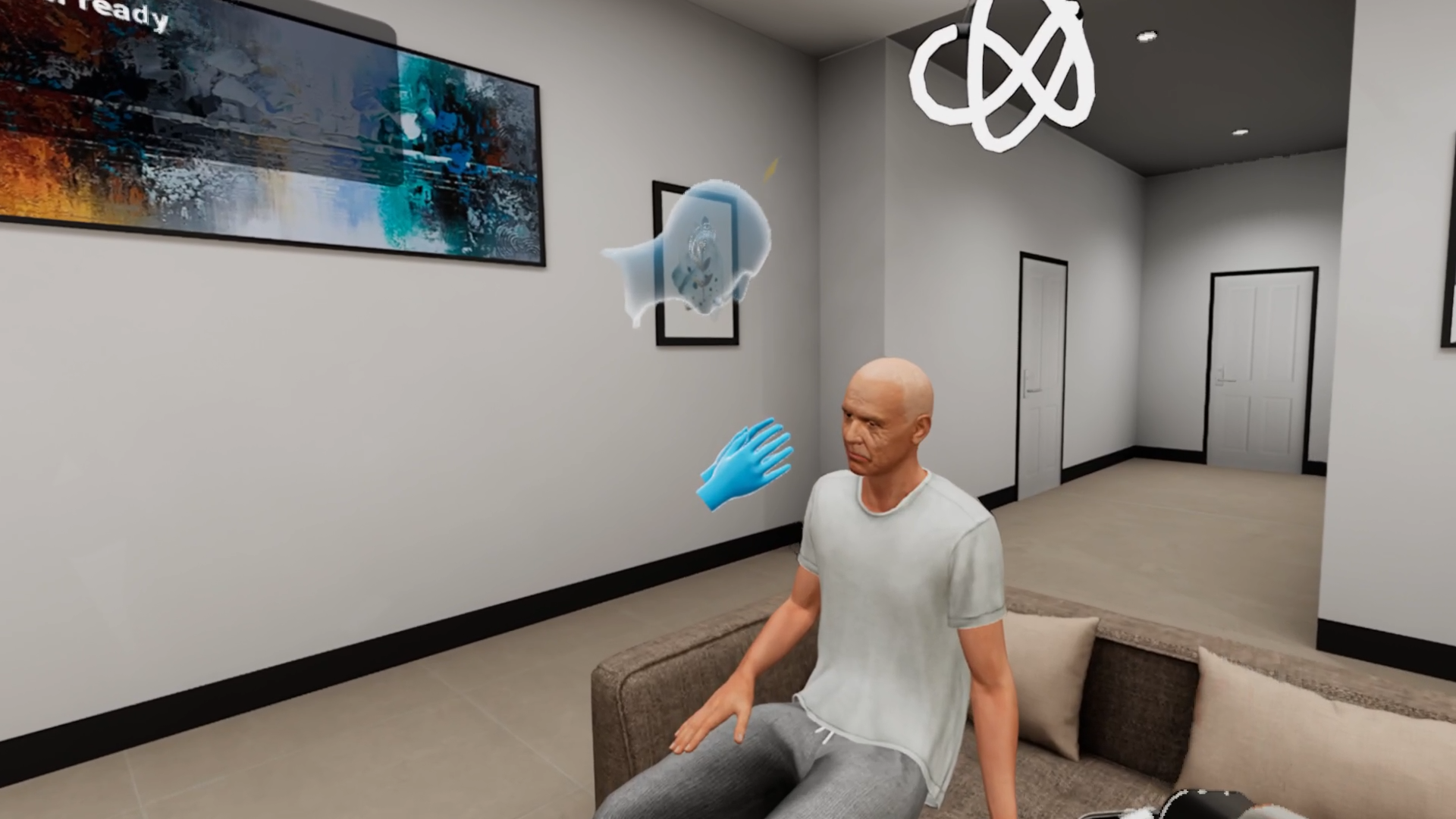
Fifty-nine-year-old Alan Carter was home with his wife and started complaining of headache. Ten minutes back his wife called 911 when Alan started having trouble speaking and could not move his left arm and leg. A facial droop was also noticed on his left side. A FAST-ED stroke exam will be conducted to examine the patient. This VR simulations open scenario is designed to help learners identify and manage a case of stroke in an emergency.
Learning Objectives
- Identifying signs and symptoms of a stroke using the FAST-ED assessment
- Evaluating stroke severity by accurately scoring patient based on FAST-ED criteria
- Implementing timely interventions and protocols to manage the stroke
References
- American Heart Association. (2023). Stroke assessment tools for EMS: FAST and FAST-ED.
What you'll practice
Core Skills Training
Core Skill
EMS Stroke Management
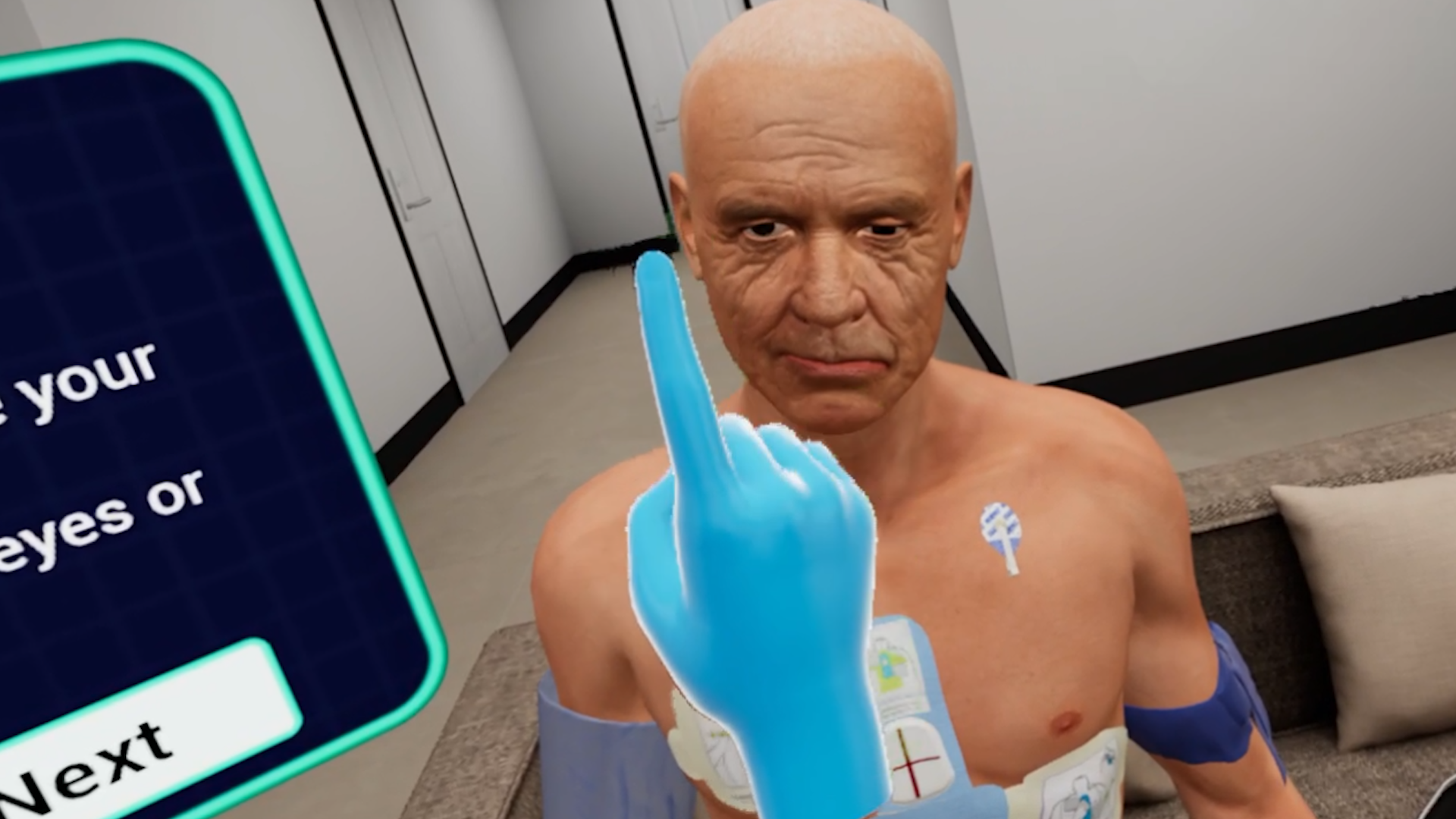
As part of this multiplayer open scenario, the learner will reach the scene as part of the EMS team. The learner observes a facial droop on the left side and is informed that the patient is unable to move his left arm and leg. As part of the FAST-ED stroke assessment, the learners will ask the patient to perform a series of tasks. The patient’s FAST-ED score will determine the further course of action.
This scenario is set in a photorealistic environment and all necessary affordances are made available to assist learners in performing their tasks with efficiency and effectiveness.
Tailored to You
Customize Your Program
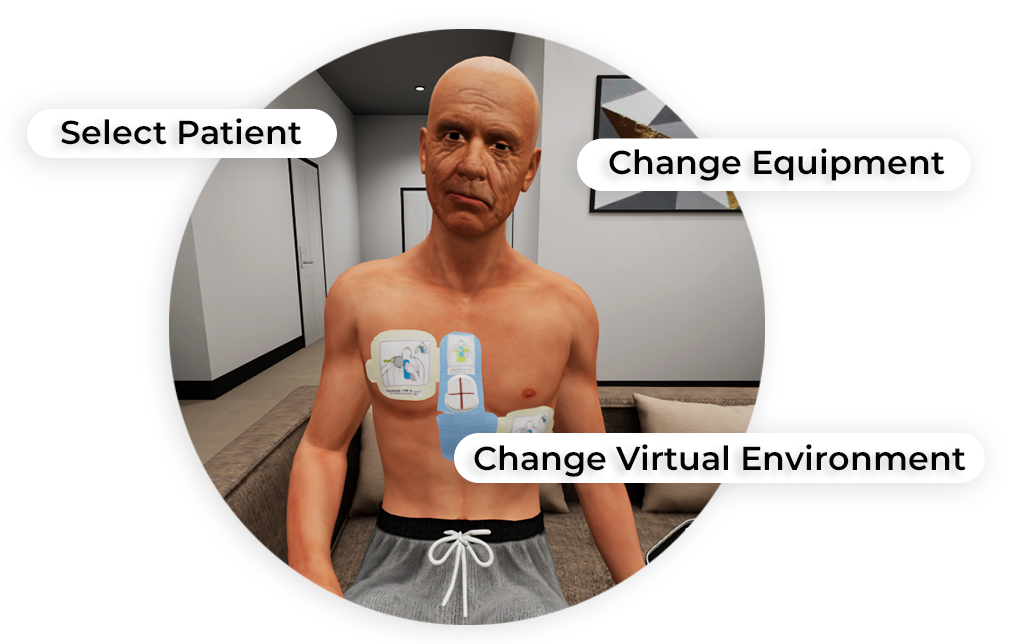
MedVR Education is bringing to you in-VR customization that will enable you to customize your procedural simulations by making selections from a range of feature choices.
- Select patient from a diverse background
- Choose preferred virtual environment
- Configure patient vitals
- Define simulation duration
- Create patient history and train with AI-Humans
- Customize session-end debriefing
- …..many more to come
Additional customization options are available and can be developed to meet your specific training needs.
 Multi-player Sessions
 Physics-based Interactions
How it works
Training
End-of-task debriefing to assess one’s performance, evaluate actions, and get the most out of the training. Examples of topics being touched upon in the debriefing include the following:
- Thorough patient assessment
- Completion of necessary steps
- Correct medication administration to patient
- Sequential completion of task
- Execution of time-sensitive tasks
Get started
Ready to transform clinical training?
Book a demo to see EMS Stroke and our full simulation library in action.