Clinical Simulation
Shoulder Dystocia


About This Course
What you'll experience
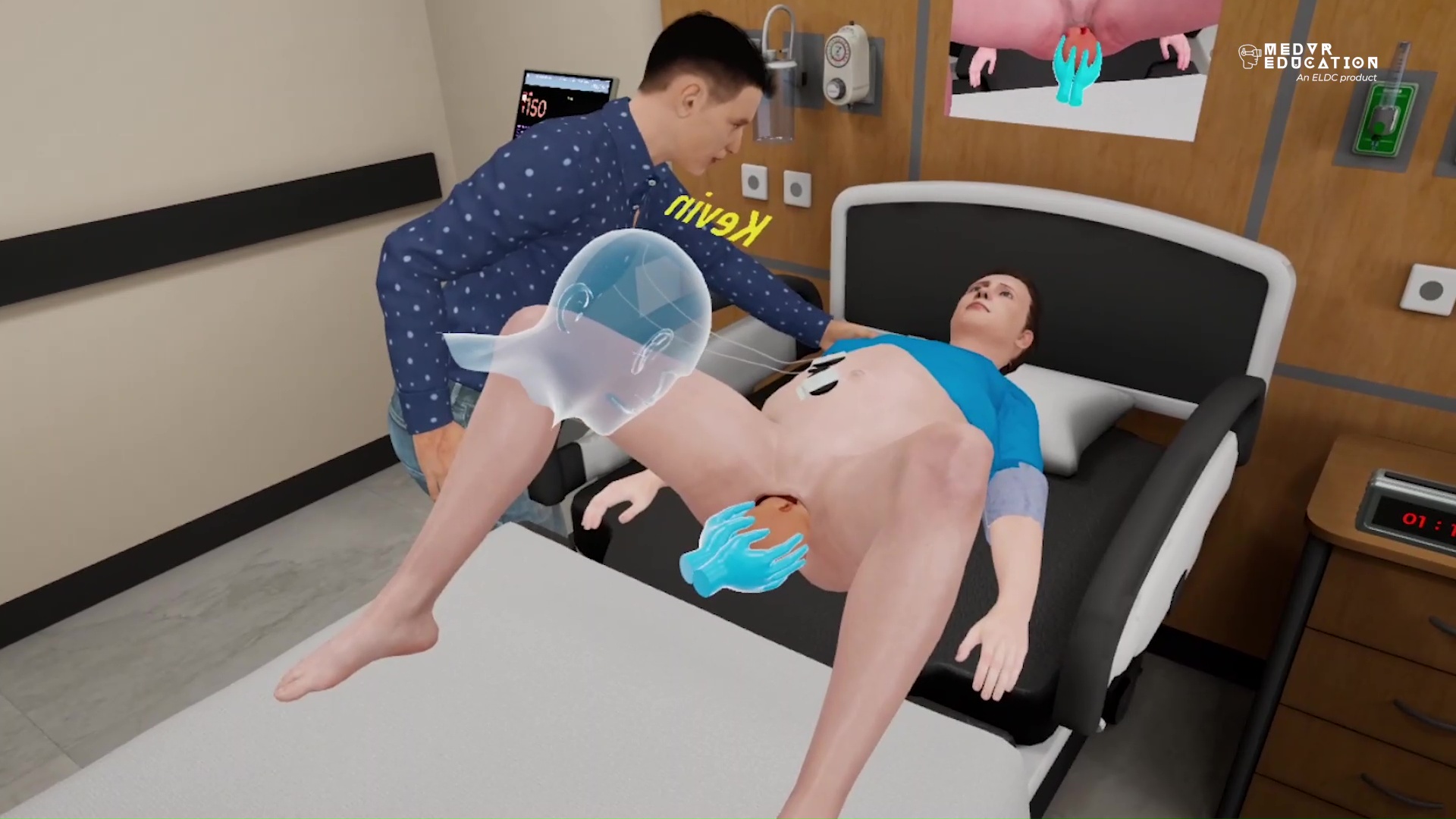
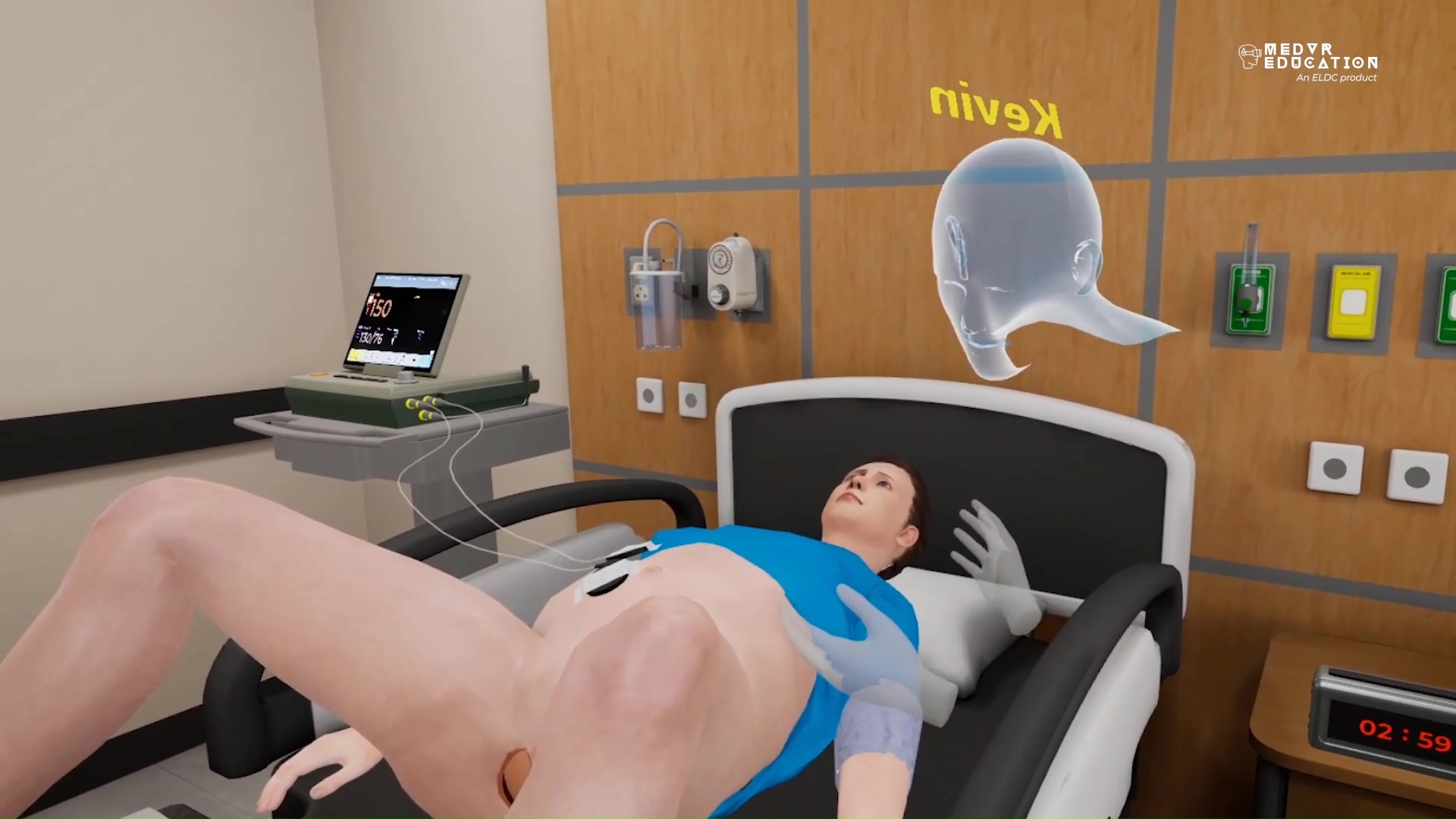
This 30-year-old patient is G1 P0 at 40 weeks gestation. She has been pushing for one and half hours and is exhausted. The baby's head delivers, and shoulder dystocia occurs. This multiplayer VR session is designed to enable learners to identify and safely manage a case of shoulder dystocia.
Learning Objectives
- Identify a case of shoulder dystocia
- Demonstrate internal and external maneuvers to relieve shoulder dystocia
- Anticipate and prepare for emergency delivery
- Prioritize patient care
- Monitor fetus status
References
- StatPearls Publishing. (n.d.). Shoulder Dystocia. StatPearls - NCBI Bookshelf. Retrieved from https://www.ncbi.nlm.nih.gov/books/NBK470430/
- Cambridge University Press. (2017). Shoulder Dystocia (Chapter 62) - High-Risk Pregnancy. Retrieved from https://doi.org/10.1017/9781108349185
What you'll practice
Core Skills Training
Core Skill
Managing Shoulder Dystocia
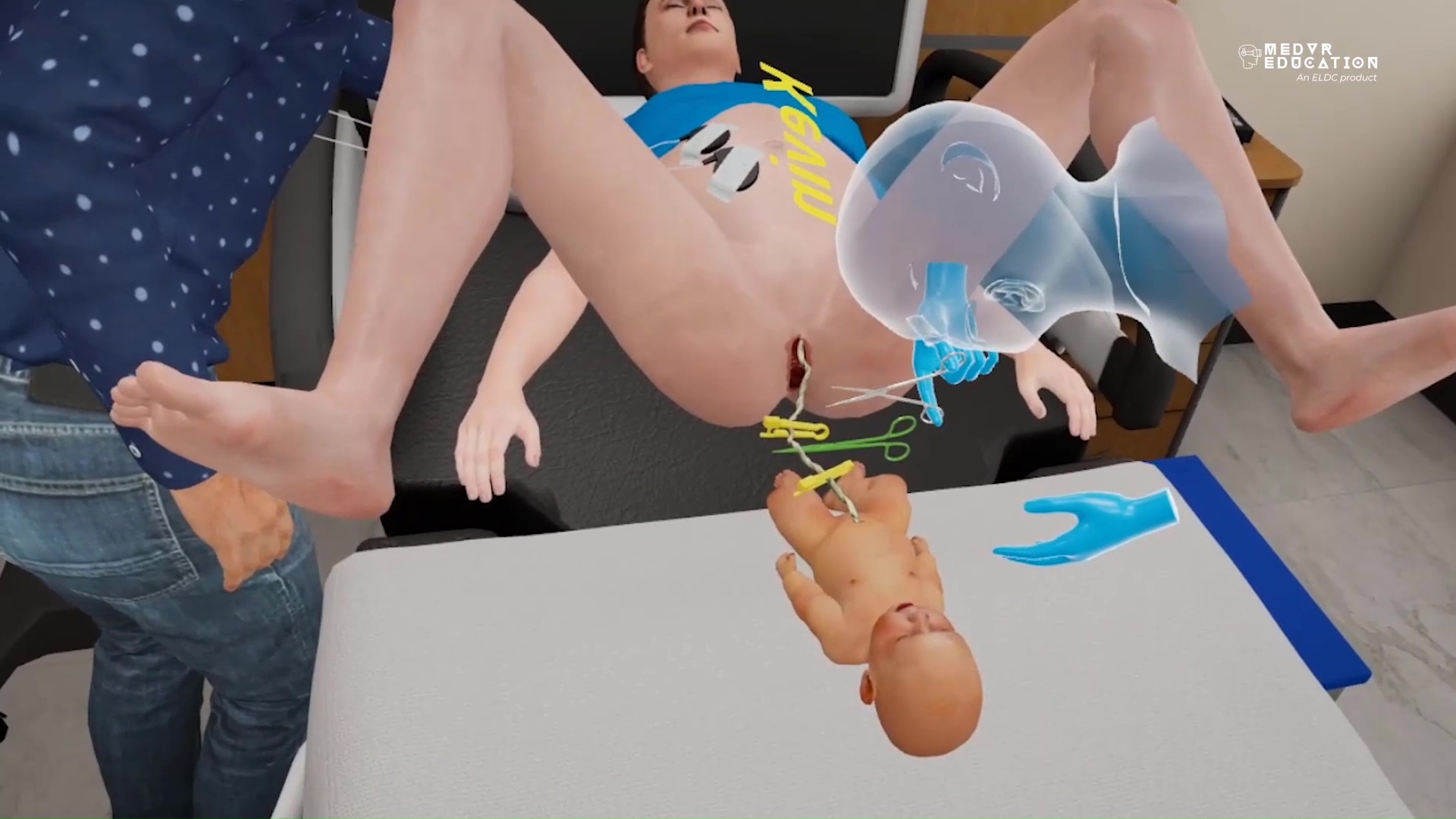
As part of this open scenario, the patient has been pushing for one and half hours and is exhausted. Two minutes after the head is delivered shoulder dystocia is identified. The learner is then required to perform McRoberts maneuver and suprapubic pressure to help deliver the baby. The learner will cut the umbilical cord after the baby is delivered.
This scenario is set in a realistic environment and all necessary affordances are made available to assist learners in performing their tasks with efficiency and effectiveness.
Tailored to You
Customize Your Program
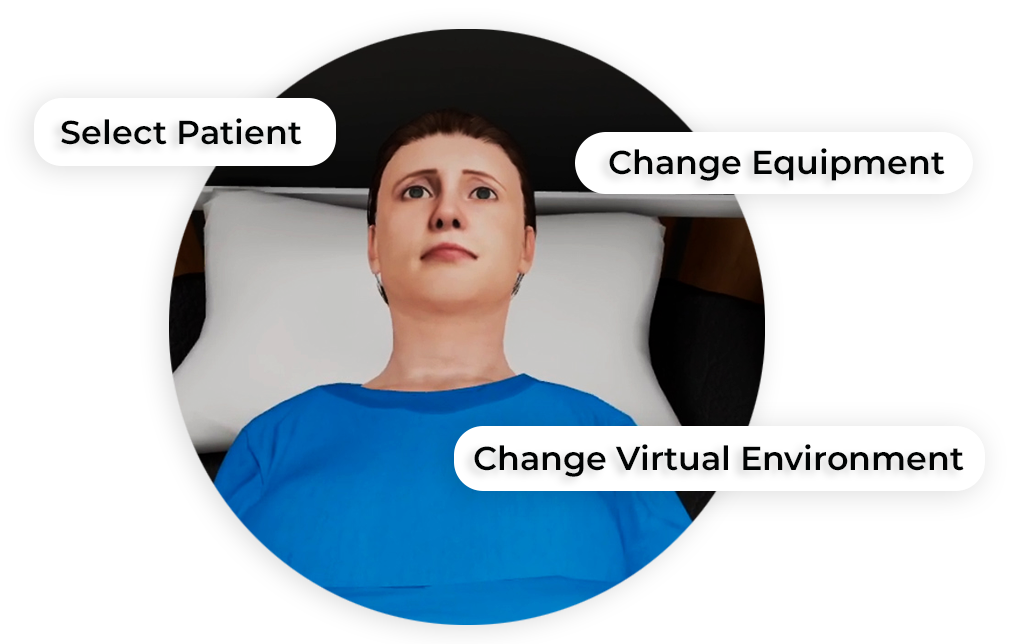
MedVR Education is bringing to you in-VR customization that will enable you to put together your own simulations by making selections from a wide range of feature choices.
- Select patient from a diverse background
- Choose preferred virtual environment
- Configure patient vitals
- Define simulation duration
- Create patient history and train with AI-Humans
- Customize session-end debriefing
- …..many more to come
Additional customization options are available and can be developed to meet your specific training needs.
 AI Patient Assessment
 Natural Language Processing
 Multi-player Sessions
 Physics-Based Interaction
How it works
Training
End-of-task debriefing to assess one’s performance, evaluate actions, and get the most out of the training. Examples of topics being touched upon in the debriefing include the following:
- Thorough patient assessment
- Completion of necessary steps
- Correct medication administration to patient
- Sequential completion of task
- Execution of time-sensitive tasks
Get started
Ready to transform clinical training?
Book a demo to see Shoulder Dystocia and our full simulation library in action.