Breastfeeding Assessment & Patient Education

SIMULATION TYPE
Procedural

SIMULATION DURATION
10 minutes

PATIENT AGE GROUP
Adult (24-Year-Old Postpartum Mother)

TARGET AUDIENCE
Nursing Students, Medical Students, Lactation Nursing Learners, Allied Health Learners
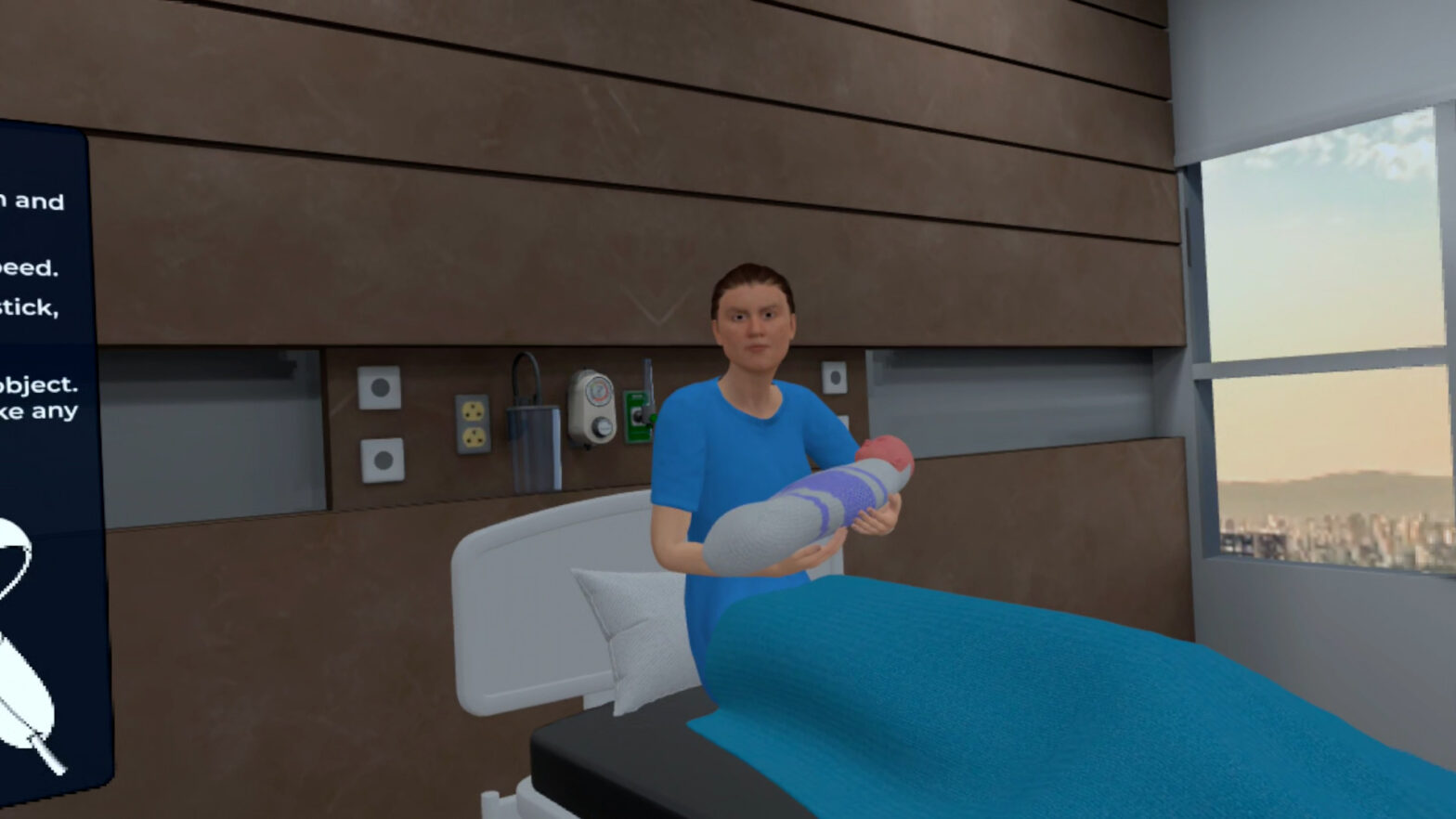
Madison Averly, a 24-year-old mother, is on the postpartum unit one day after a full-term vaginal delivery. A lactation nurse visits to assess her breastfeeding experience, understand her feeding goals, evaluate potential challenges, and provide breastfeeding education.
Conducting a breastfeeding assessment requires effective patient communication, assessment of maternal comfort and well-being, evaluation of the baby’s latch, discussion of milk supply and feeding routines, and identification of available support resources.
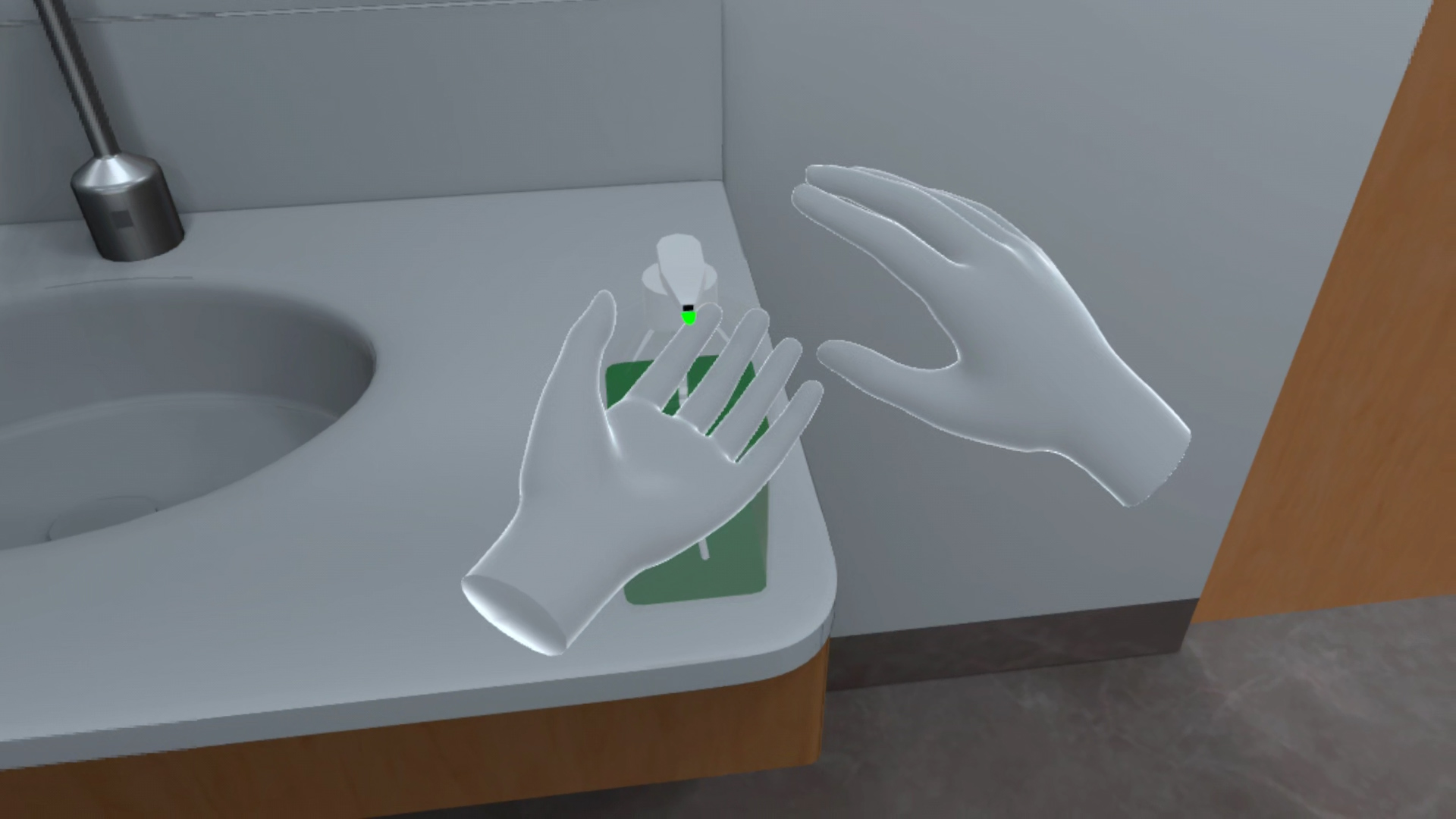
This VR simulation provides learners with an immersive postpartum hospital environment to practice breastfeeding assessment and patient education. Learners progress through hand hygiene, patient identification, consent, assessment of breastfeeding knowledge and goals, maternal health evaluation, latch assessment, feeding routine discussion, emotional well-being assessment, support system review, and discharge resource education.
The module includes tutorial, training, and assessment stages to reinforce correct procedural sequencing, patient interaction, clinical assessment, breastfeeding education, and professional communication.
- Verify patient identity and explain the purpose of the assessment.
- Obtain patient consent before proceeding with assessment activities.
- Assess milk supply, feeding frequency, and feeding duration.
- Discuss signs of adequate milk intake, hunger cues, and infant diaper output.
- Discuss medication, alcohol, and illicit drug considerations during breastfeeding.
- Assess maternal rest, emotional well-being, and available support systems.
- Identify appropriate lactation support and post-discharge resources.
- Document assessment findings according to established clinical procedures.
- World Health Organization. (2018). Guideline: Counselling of women to improve breastfeeding practices.
Customize Your Program
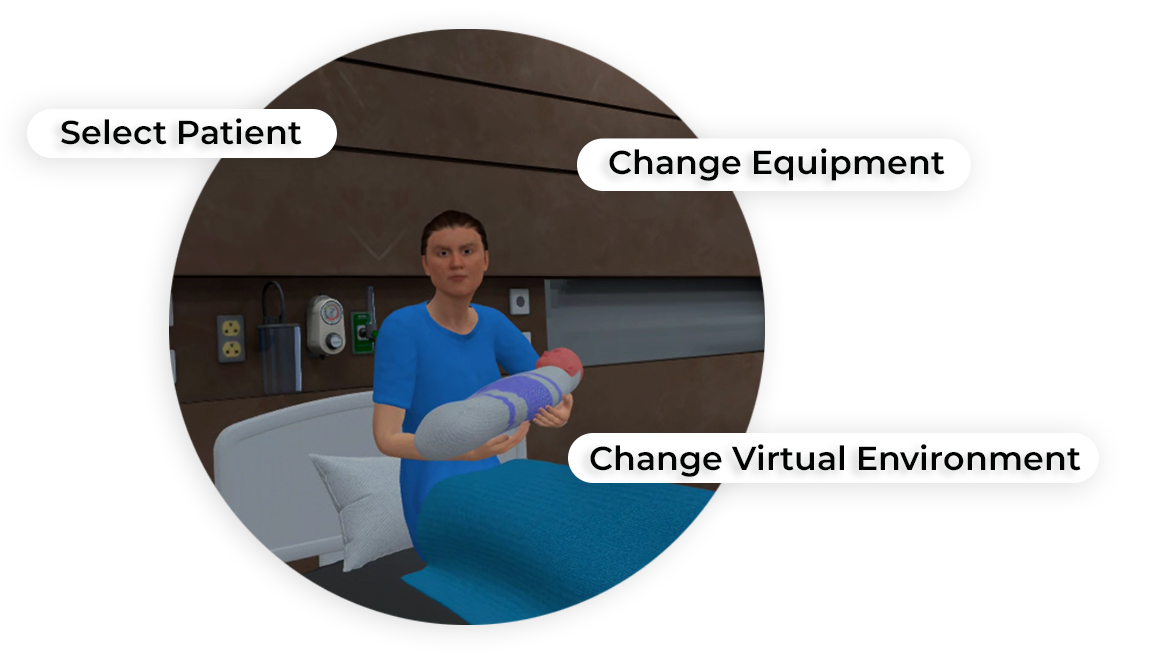
The simulation can be configured to support different breastfeeding assessment and patient education learning objectives.
- Patient responses and breastfeeding challenges.
- Maternal comfort and well-being scenarios.
- Breastfeeding knowledge and feeding goals.
- Assessment difficulty and evaluation criteria.
 AI Patient Assessment
 Natural Language Processing
 Multi-playerSessions
 Physics-based Interactions
Core Skills Training
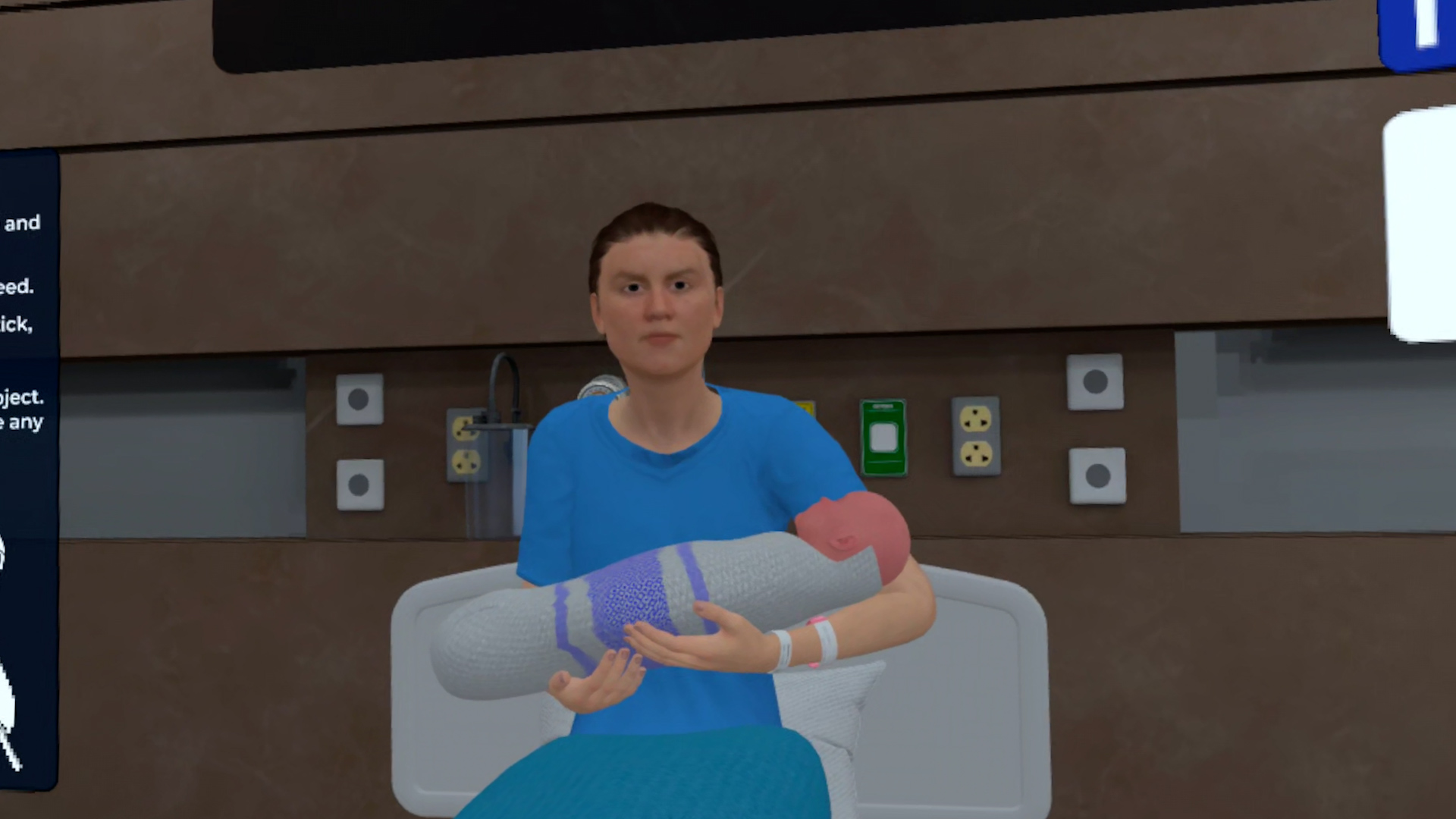
Performing Breastfeeding Assessment and Education
As part of this procedure, the learner enters a postpartum patient room where the mother is sitting in bed holding her newborn. The learner performs hand hygiene, introduces themselves as the lactation nurse, verifies the patient's identity, explains the assessment, and obtains consent. The learner assesses the mother's previous breastfeeding experience, knowledge, and feeding goals. They discuss her comfort and physical health, including pain, cracked nipples, breast fullness, redness, swelling, or hard lumps. The learner then evaluates the baby's latch and discusses appropriate positioning and breastfeeding techniques.The assessment continues with questions about feeding frequency, feeding duration, infant diaper output, signs of adequate milk intake, and hunger cues. The learner provides education on milk supply, nutrition, hydration, and medication and substance considerations during breastfeeding.The learner also assesses maternal rest and emotional well-being, explores the patient's home support system, and identifies available lactation resources. The procedure concludes with addressing the patient's immediate needs, performing hand hygiene, and documenting the assessment.
Training
With prompts, guidance, and interactive affordances, learners are guided step-by-step through a breastfeeding assessment and patient education session in a virtual postpartum hospital environment.
- Postpartum hospital room with a hospital bed, baby bassinet, and newborn patient assets.
- Interactive patient communication and assessment scenarios.
- Guided instructions and visual cues.
- Practice assessing breastfeeding knowledge, goals, comfort, and feeding routines.
- Interactive education on latch, breastfeeding positions, milk supply, and maternal well-being.
- Rapid Cycle Deliberate Practice to reinforce correct technique and sequencing.
- Points and scoring during training to support learner engagement.
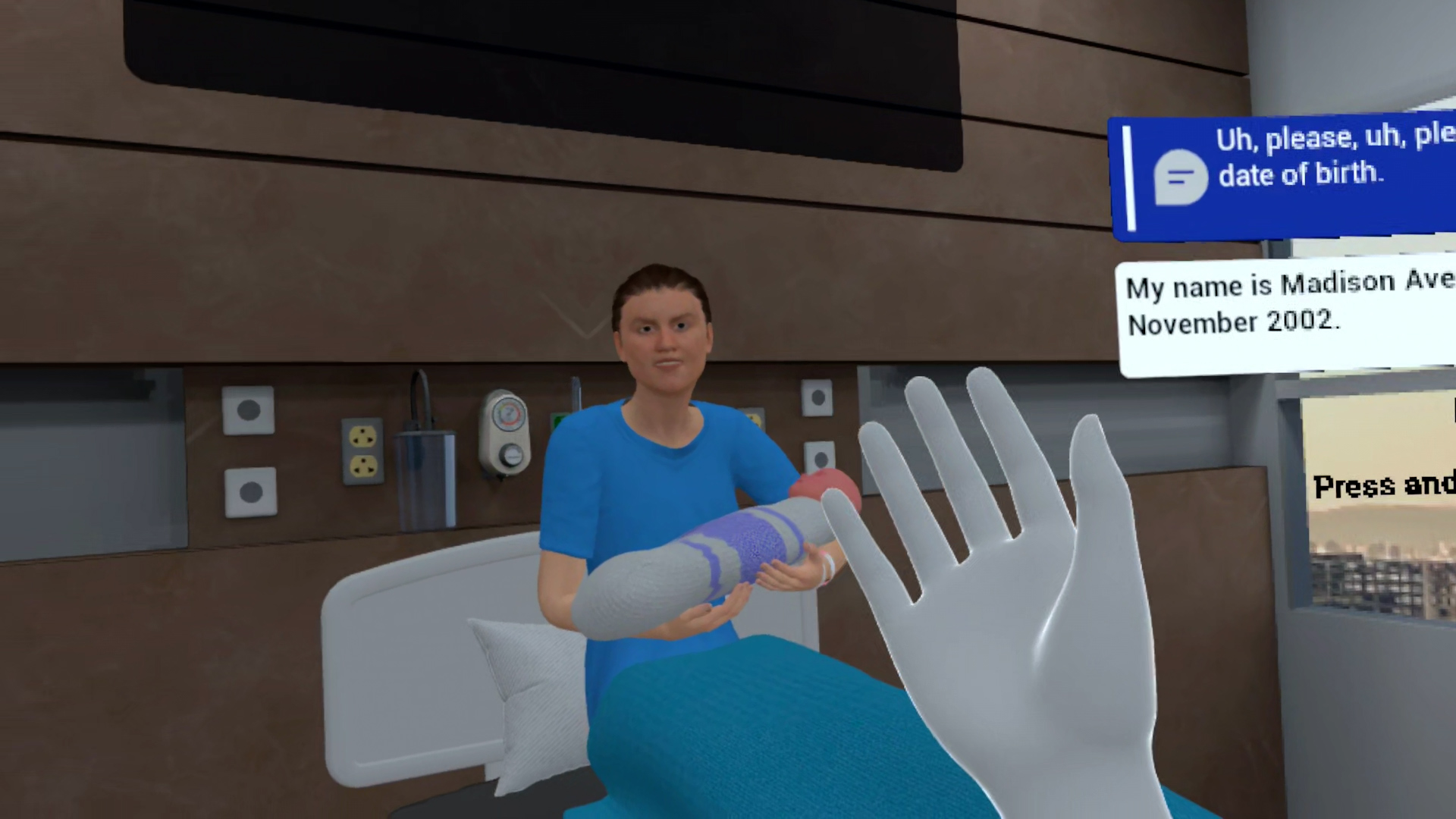
Assessment
Learners demonstrate independent performance of the breastfeeding assessment and education procedure, following the correct sequence and technique without step-by-step guidance.
- Live scoring and points for completed steps.
- Instant feedback on errors and missed steps.
- Sequence and technique validation.
- Tracking of mistakes and completion status.
- Evaluation of patient communication, assessment, and education.
- Time tracking for task completion.