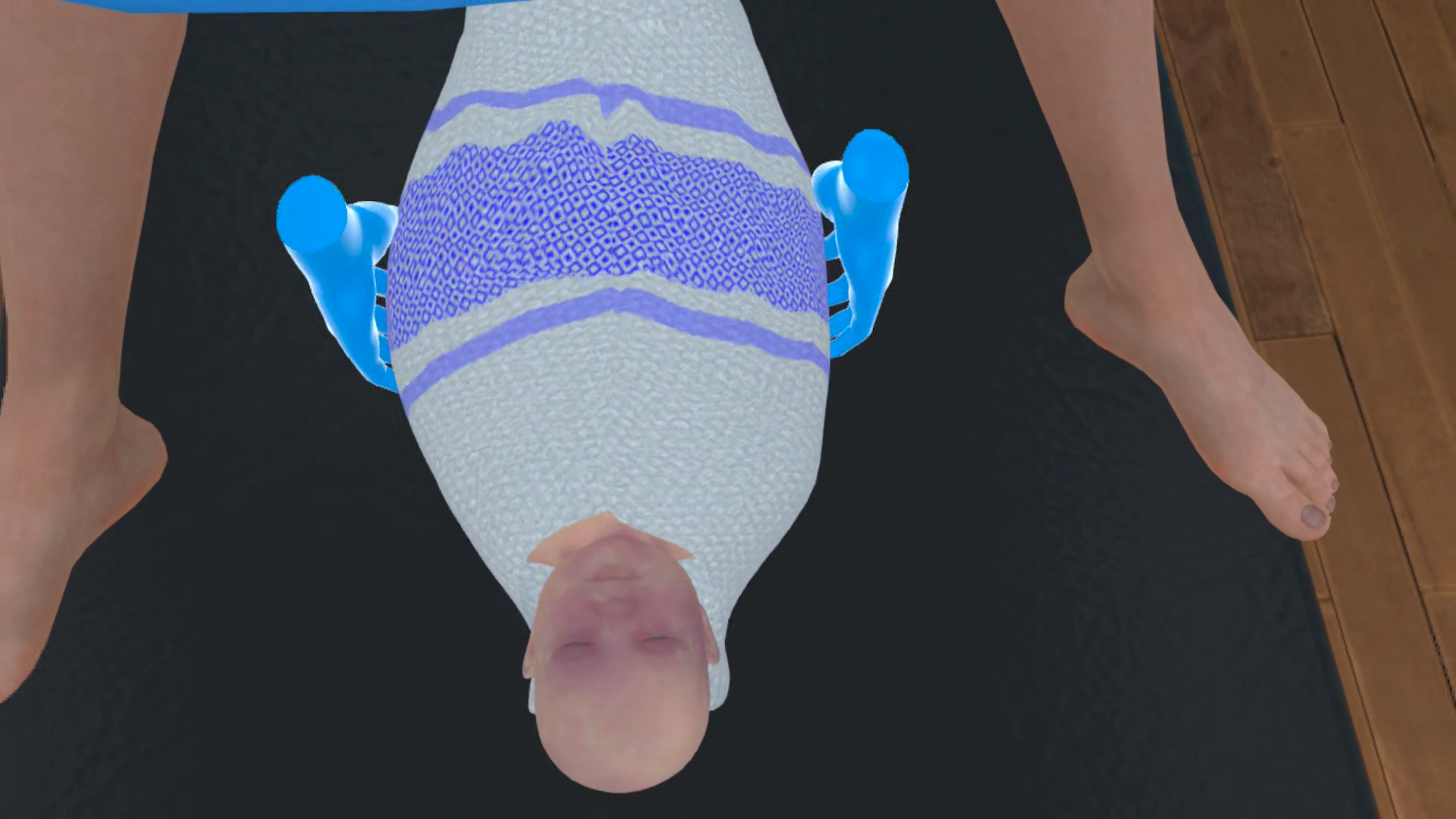
NRP MR SOPA

SIMULATION TYPE
Procedural / Emergency Response

SIMULATION DURATION
10 - 15 minutes

PATIENT AGE GROUP
Neonate

TARGET AUDIENCE
RN, NP, PA, Physician, Medical Students

A term newborn, Baby Boy Foster (39 weeks), is delivered following a pregnancy complicated by maternal fever and lack of prenatal care. At birth, the newborn is apneic, limp, and cyanotic, with a low heart rate, requiring immediate resuscitation.
This VR simulation immerses learners in a high-acuity neonatal resuscitation scenario where they must initiate positive pressure ventilation (PPV) and apply MR SOPA corrective steps when ventilation is ineffective.
Learners progress through pre-birth preparation, initial newborn assessment, initiation of PPV, identification of inadequate chest rise, and systematic execution of MR SOPA steps. The simulation emphasizes rapid decision-making, teamwork, communication, and adherence to Neonatal Resuscitation Program (NRP) guidelines.
The module includes both guided training and independent assessment modes to reinforce proper sequencing, technical accuracy, and effective neonatal resuscitation practices.
- Preparing for high-risk delivery using pre-birth assessment questions
- Performing initial newborn evaluation (term, tone, breathing)
- Initiating effective positive pressure ventilation (PPV) within the golden minute
- Recognizing ineffective ventilation through lack of chest rise
- Applying MR SOPA corrective steps systematically
- Demonstrating proper airway management, including intubation
- Monitoring heart rate and oxygen saturation accurately
- Adjusting oxygen delivery based on target saturation guidelines
- Mileder, L. P., Wagner, M., Kaufmann, M., Gaertner, V. D., Rüegger, C. M., & Springer, L. (2023). How should we perform neonatal mask ventilation during MR SOPA corrective steps? Resuscitation Plus, 13, 100344.
Customize Your Program
Get rid of the editor. Adopt in-VR customization.
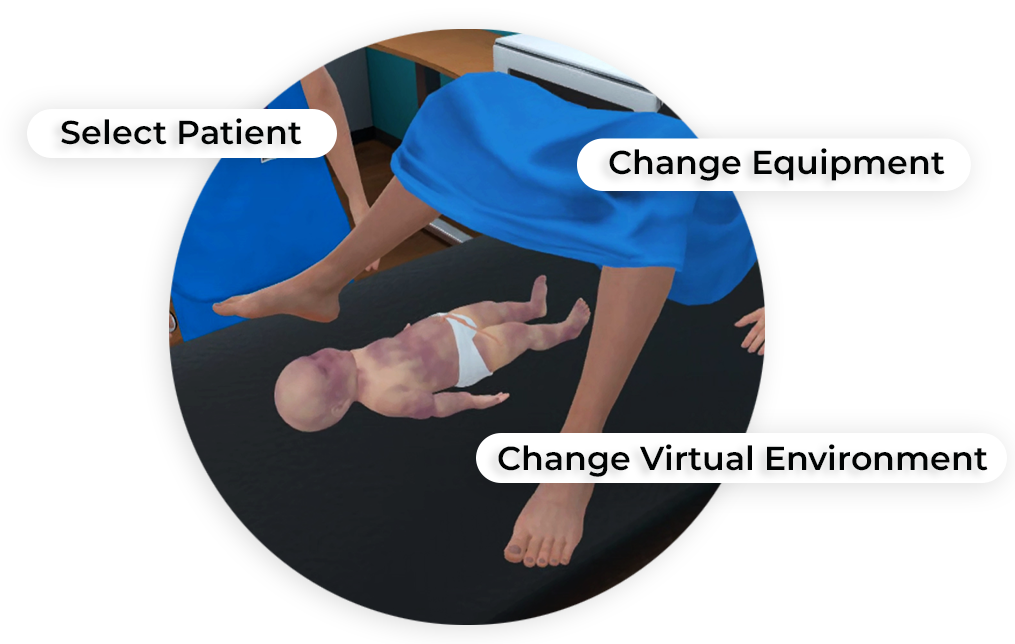
MedVR Education’s in-VR customization allows educators to tailor neonatal resuscitation scenarios to different clinical complexities.
- Adjust newborn condition severity (mild distress to critical)
- Modify maternal risk factors and delivery complications
- Select equipment availability and environment settings
- Customize difficulty level and time pressure
- Adjust scoring strictness and assessment criteria
 Multi-playerSessions
 Physics-based Interactions
Core Skills Training
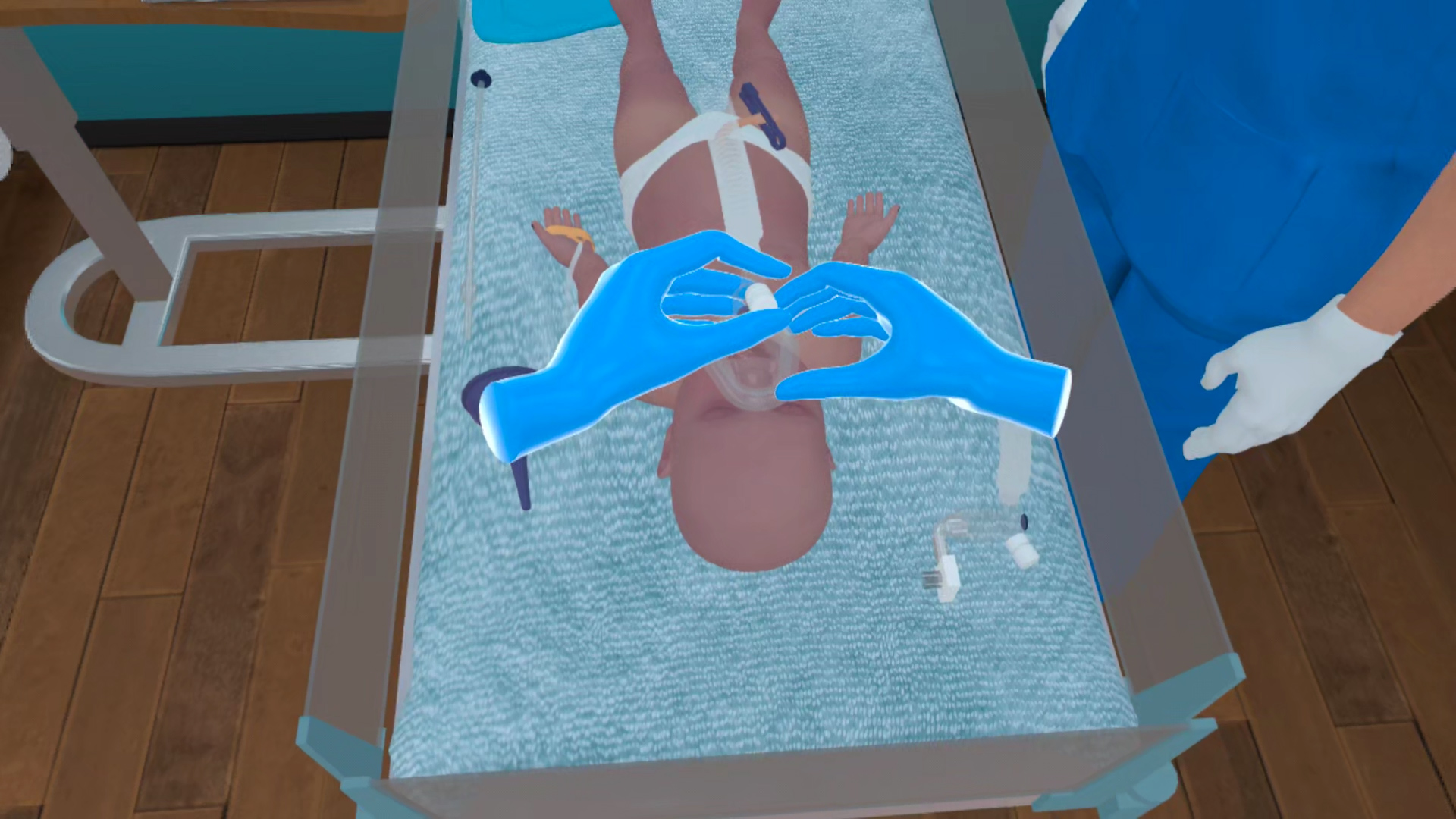
Performing MR SOPA
The learner begins by preparing for delivery, asking key pre-birth questions, assembling the appropriate resuscitation team, and ensuring all equipment is functional. After birth, the learner performs rapid assessment and initiates standard newborn care, including warming, drying, positioning, and stimulation. When the newborn fails to breathe adequately, the learner initiates PPV within 60 seconds.With each step, ventilation is reassessed for effectiveness. Once chest rise is achieved, the learner continues PPV, monitors vital signs, and stabilizes the newborn.The scenario concludes with reassessment, oxygen adjustment, team communication, and planning for post-resuscitation care.
Training
With prompts and real-time guidance, learners are supported through each step of neonatal resuscitation and MR SOPA execution.
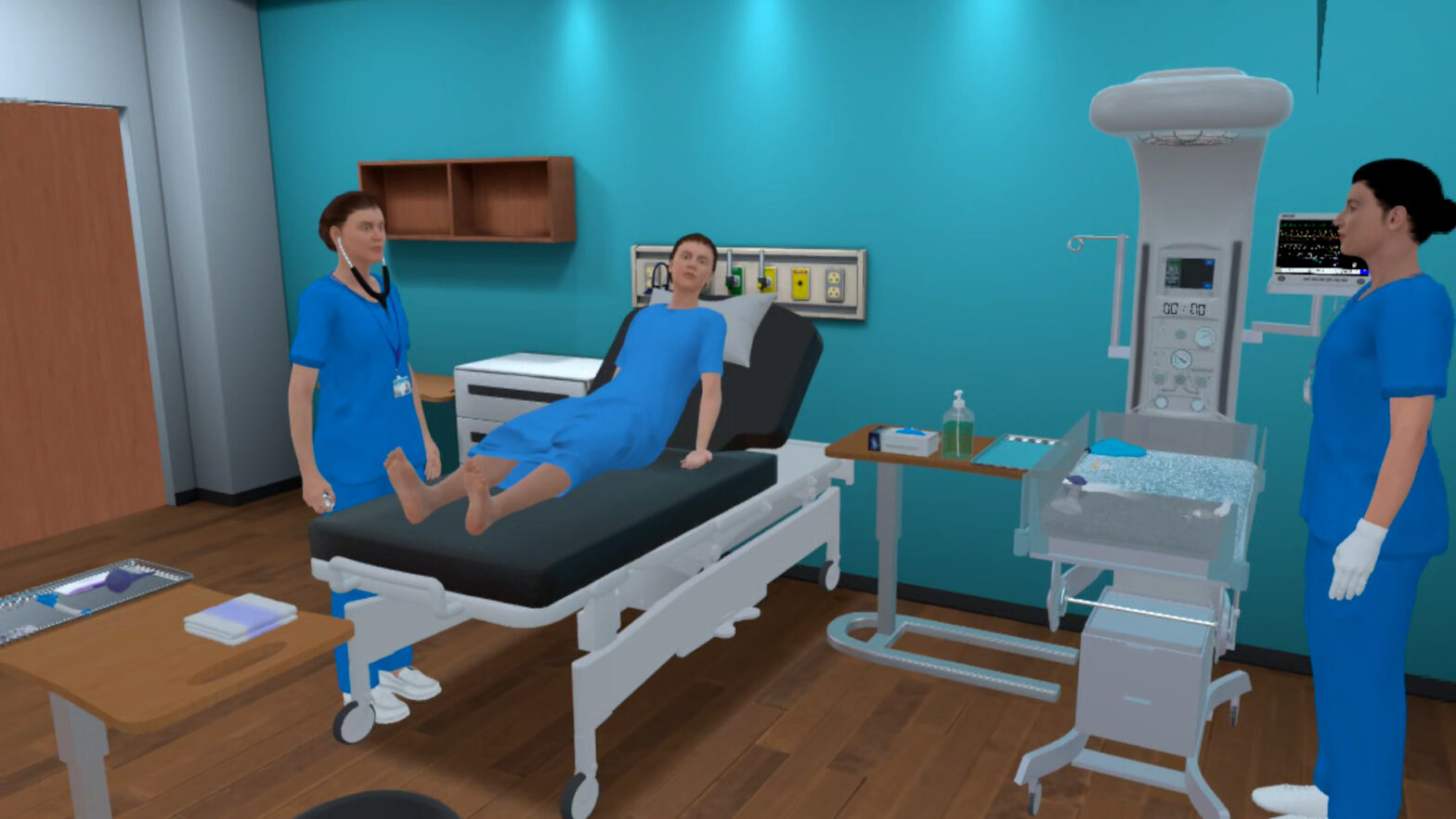
- Realistic delivery room and neonatal warmer environment
- Physics-based interaction with neonatal equipment
- Guided prompts for MR SOPA sequence
- Visual and auditory cues for chest rise and heart rate changes
- Structured support for airway management and intubation
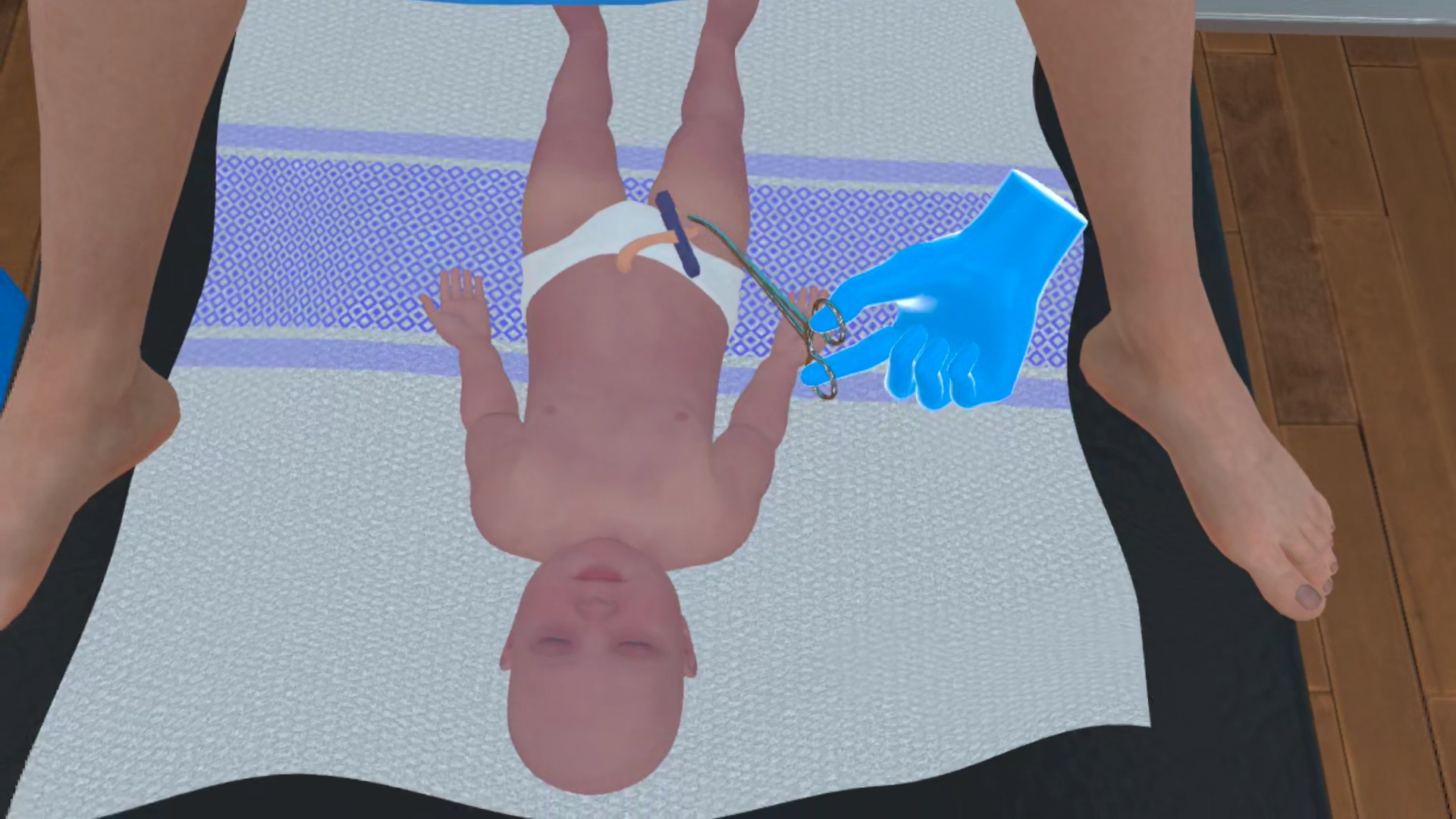
Assessment
Learners perform the entire neonatal resuscitation sequence independently without prompts.
- Live scoring and performance tracking
- Immediate feedback on errors and delays
- Validation of MR SOPA sequence and technique
- Time-based performance evaluation
- Restart required for critical errors